
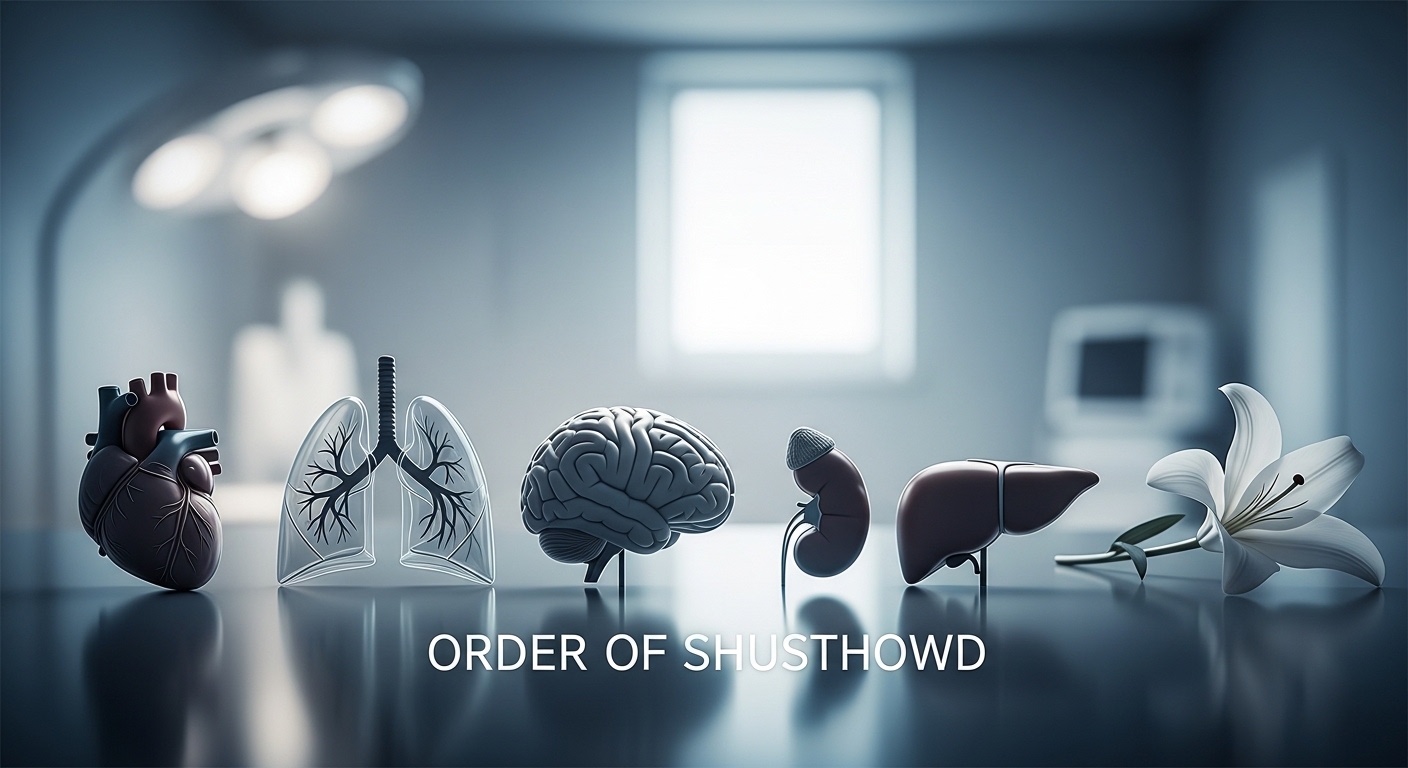
The final stages of life bring profound changes in the body. Understanding the order of organ shutdown: insights into end-of-life physiology is crucial for families, caregivers, and healthcare providers. By recognizing which organs fail first and which follow, caregivers can provide comfort, anticipate changes, and offer compassionate support. This knowledge makes the dying process less frightening and more dignified for both patients and loved ones.
End-of-life physiology is not random. The body follows a general pattern as organ systems gradually lose function. Although each person’s journey is unique, studying the order of organ shutdown: insights into end-of-life physiology reveals consistent patterns that help guide care.
Progressive Organ Dysfunction: Understanding the Sequence
As life nears its end, the body experiences progressive organ dysfunction. This process involves a gradual decline in organ performance, which eventually leads to failure. While the timeline varies, medical research and clinical observation show that certain systems typically shut down in a predictable order.
Understanding this progression allows caregivers to anticipate physical changes, manage symptoms effectively, and maintain the patient’s comfort.
Brain and Nervous System Shutdown
The brain and nervous system often show signs of decline first. Patients may become less responsive, struggle to maintain focus, or experience changes in consciousness. Families may notice confusion, drowsiness, or moments of disorientation.
These neurological changes happen because the brain receives less oxygen and blood flow as circulation slows. Caregivers can support the patient by speaking softly, offering reassurance, and minimizing unnecessary stimulation. Recognizing these early signs is an essential part of understanding the order of organ shutdown: insights into end-of-life physiology.
Circulatory System Decline
After the nervous system, the circulatory system often shows signs of shutdown. Blood pressure may drop, heart rate can slow, and circulation to the extremities weakens. Patients may develop cold hands and feet, pale or mottled skin, and a weaker pulse.
This change can be alarming to family members, but it is a natural part of the dying process. Caregivers can maintain warmth with blankets, gentle massage, or repositioning. Observing these changes helps families understand the body’s natural progression according to the order of organ shutdown: insights into end-of-life physiology.
Respiratory System Changes
The respiratory system undergoes noticeable changes as death approaches. Breathing may become irregular, shallow, or labored. Caregivers may notice pauses between breaths or periods of rapid breathing. Oxygen levels often decrease, which can contribute to restlessness or confusion.
Transitioning to a calm and supportive environment is essential. Using fans, adjusting the patient’s position, and practicing gentle breathing guidance can help relieve discomfort. Monitoring respiratory changes also aligns with understanding the order of organ shutdown: insights into end-of-life physiology.
Kidney and Urinary System Shutdown
The kidneys and urinary system gradually lose function in the later stages of life. Urine output may decrease, sometimes stopping completely. Waste products can accumulate, potentially causing metabolic imbalances.
Families and caregivers should recognize that these changes are natural and focus on comfort care instead of invasive treatments. They should also ensure hydration when appropriate and monitor the patient for any signs of discomfort. These observations help caregivers better understand the body’s natural process during the final stage of life.
Digestive System Changes
The digestive system is one of the last to shut down but shows significant changes near the end of life. Appetite and thirst often decline. Patients may struggle to swallow food or liquids. Gastrointestinal movement slows, which can lead to constipation or bowel obstruction.
Caregivers should offer small sips of water or favorite soft foods only if safe and desired. Avoid forcing nutrition, as this can cause distress. Recognizing these digestive changes complements knowledge of the order of organ shutdown: insights into end-of-life physiology, helping families provide compassionate care.
Supporting Patients Through Organ Shutdown
Understanding how organs shut down at the end of life helps caregivers anticipate changes and provide meaningful support. In addition, several strategies can improve comfort and ensure patients receive compassionate care during this stage:
- Create a calm environment: Reduce noise and bright lights.
- Use gentle touch and reassurance: Physical contact provides comfort when communication becomes limited.
- Monitor symptoms carefully: Observing breathing, circulation, and neurological signs can guide interventions.
- Prioritize comfort over interventions: Focus on dignity, relief of pain, and emotional support.
- Educate family members: Helping loved ones understand what is happening reduces anxiety and promotes compassionate care.
By applying these strategies, caregivers align practical care with the natural progression of the order of organ shutdown: insights into end-of-life physiology.
Conclusion
The process of dying follows a general pattern. The order of organ shutdown: insights into end-of-life physiology usually begins with the brain and nervous system, followed by circulatory and respiratory changes, then kidney and urinary decline, and finally digestive changes. Understanding this sequence helps caregivers anticipate symptoms, provide comfort, and maintain dignity for the patient.
Recognizing these physiological changes empowers families and healthcare providers to support patients compassionately. Every stage of organ shutdown presents opportunities for comfort, reassurance, and meaningful connection, ensuring that the final journey is handled with respect and care.