
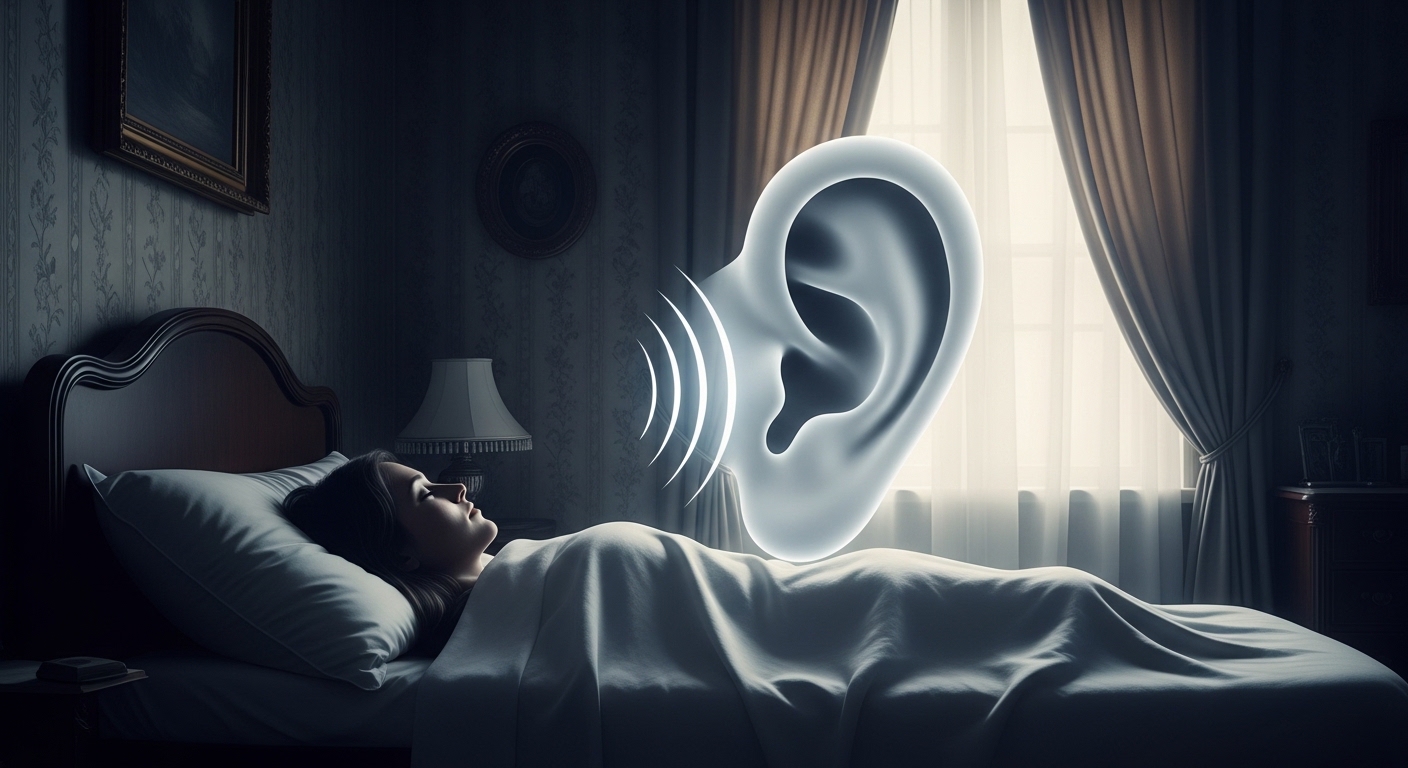
The question of whether a person can hear after death has intrigued scientists, spiritual practitioners, and the general public for centuries. While conventional wisdom holds that hearing ceases at the moment of death, increasing evidence suggests that auditory perception might persist for a brief time after vital signs stop. In this post, we’ll explore the phenomenon of hearing after death, examining scientific research, anecdotal accounts, and spiritual perspectives on this mystery.
Auditory Perception in the Final Moments
As the body ceases to function, some researchers suggest that consciousness may linger briefly after the heart stops and brain activity ceases. During this time, it is theorized that auditory perception may remain active, allowing the dying person to hear their surroundings.
1. Continuity of Consciousness
While the body shuts down, studies suggest that consciousness may remain for a brief period after death. This lingering awareness could explain why some dying individuals still respond to sounds and voices even after vital signs have ceased. The idea that a person may still perceive auditory signals during this time opens new questions about the dying process.
2. Terminal Lucidity
Terminal lucidity refers to a sudden return of mental clarity and awareness in dying individuals, often occurring shortly before death. During this brief period, individuals may engage in coherent conversation, express final wishes, or share profound insights with loved ones. Some researchers speculate that this lucid moment could extend to auditory awareness, allowing the person to hear their environment even as death approaches.
Scientific Perspectives on Hearing After Death
Research on auditory perception after death remains limited, but a few studies provide insight into how the brain functions during the dying process.
1. Brain Activity
Studies have shown that brain activity can persist for a short time following cardiac arrest, leading some to speculate that auditory perception might continue during this period. However, the exact mechanisms remain unclear. Further research is needed to understand how the brain processes sound and awareness after death.
2. Auditory Thresholds
Although research on auditory thresholds after death is scarce, some studies suggest that hearing may still be possible even in the absence of measurable brain activity. It is believed that auditory perception may rely on neural pathways independent of higher cognitive functions, enabling hearing in the final moments.
Anecdotal Evidence of Hearing After Death
Many individuals who have had near-death experiences (NDEs) report hearing sounds, voices, or even music during their encounters. These auditory perceptions often happen during heightened awareness, which contributes to the transformative nature of the experience. Additionally, deathbed visions, where dying individuals see deceased relatives or spiritual beings, sometimes involve hearing comforting voices or messages.
1. Near-Death Experiences (NDEs)
Numerous people who have experienced NDEs describe hearing distinct sounds or voices during moments when they were considered clinically dead. These auditory experiences often seem to happen outside the realm of traditional consciousness, suggesting that hearing may be possible beyond death.
2. Deathbed Visions
Deathbed visions are commonly reported by those nearing death, with many individuals experiencing visual and auditory sensations of deceased relatives or spiritual beings. Some report hearing comforting words or voices during these visions, adding to the notion that auditory perception might persist after death.
Spiritual and Cultural Beliefs
Across various cultures and spiritual traditions, the belief in the continuation of consciousness after death is widespread. Many spiritual practices hold that the soul or spirit remains aware of its surroundings, and some believe that the deceased can hear the words and prayers of their loved ones.
1. Cross-Cultural Perspectives
Many cultures embrace the idea that consciousness endures beyond physical death. These beliefs often include the notion that the deceased can hear or understand the words spoken by those still alive. Whether it’s prayers, words of comfort, or spiritual rituals, the possibility of hearing after death is integral to many traditions.
2. Practices and Rituals
Spiritual practices such as chanting, prayer, and recitation of sacred texts are commonly performed near the dying to provide comfort and spiritual support. Even if the person can no longer respond, many cultures believe these rituals help the dying individual find peace, with some suggesting that they may hear and understand what is being said.
Implications for End-of-Life Care
Recognizing the possibility of hearing after death has important implications for end-of-life care. This understanding encourages caregivers to maintain compassionate communication with the dying individual, fostering a peaceful and comforting environment.
1. Compassionate Communication
The idea that a person may hear after death highlights the importance of compassionate communication. Caregivers and loved ones should continue to speak gently and reassuringly to the dying person, offering comfort and solace. Even in the final moments, words of kindness can provide emotional support.
2. Creating a Peaceful Environment
A calm, peaceful environment can significantly enhance a dying individual’s comfort. Playing soft music, reading familiar stories, or simply maintaining a quiet, serene atmosphere can contribute to the individual’s auditory experience, promoting comfort in their final moments.
Conclusion: The Possibility of Hearing After Death
The question of whether a person can hear after death remains complex and elusive. While scientific research into this phenomenon is still ongoing, anecdotal evidence, near-death experiences, and spiritual beliefs all suggest that auditory perception may persist briefly after the cessation of vital signs. Understanding the possibility of hearing after death underscores the importance of compassionate communication and creating a peaceful environment for those at the end of life. By acknowledging the potential for auditory perception, caregivers and families can offer the dying person comfort, solace, and spiritual support during their transition.