
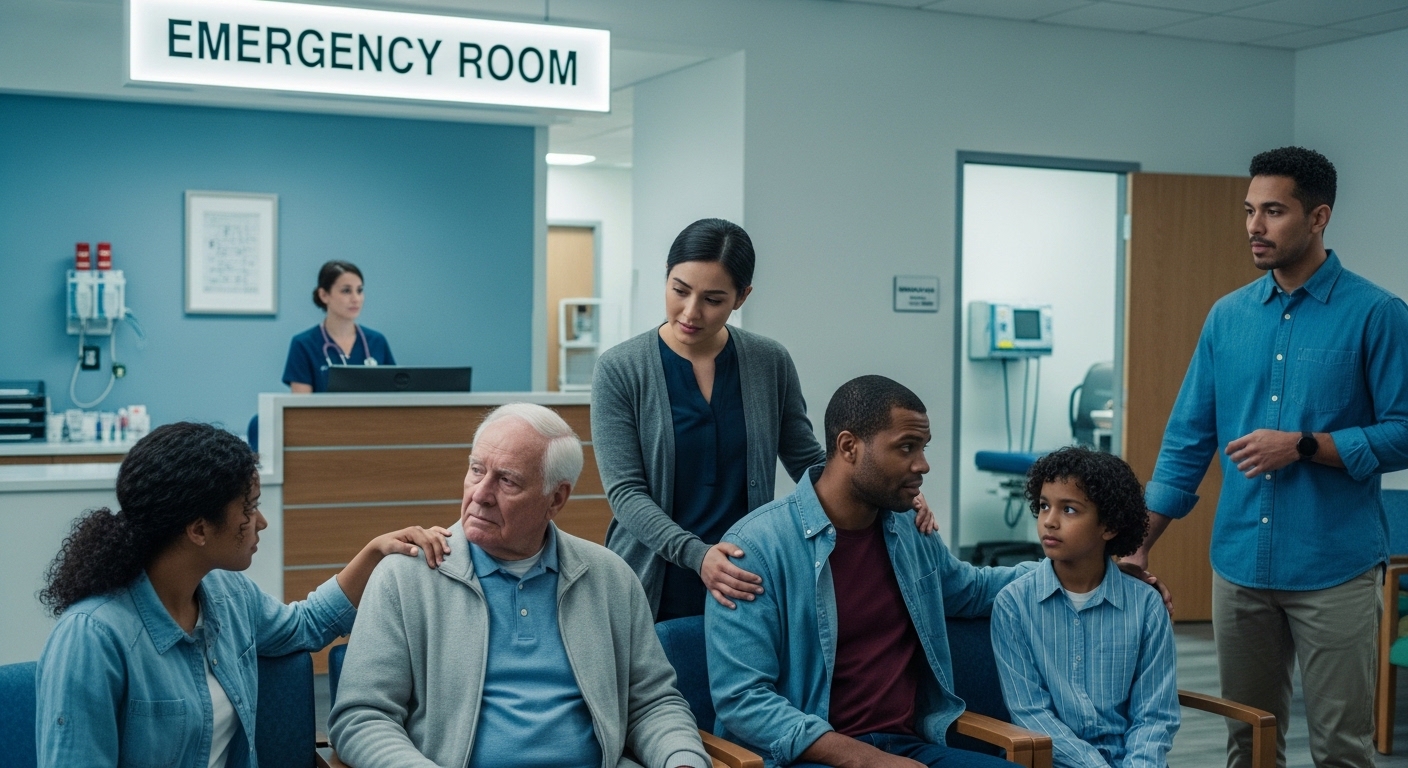
The healthcare landscape has changed significantly with the rise of free-standing emergency rooms (FSERs). This Guide to Free-Standing Emergency Rooms explains how these facilities provide emergency care outside traditional hospital settings. FSERs are designed to offer quick, efficient, and accessible services to patients who need urgent medical attention. Understanding FSERs helps patients and providers make informed decisions about emergency care and navigate the healthcare system more effectively.
What Are Free-Standing Emergency Rooms?
Free-standing emergency rooms are independent medical facilities that deliver emergency care on a walk-in basis, without requiring appointments. Unlike traditional hospital-based emergency departments (EDs), FSERs operate independently in standalone buildings, retail centers, or commercial spaces. They are staffed by board-certified emergency physicians and equipped to handle medical emergencies, including trauma, chest pain, respiratory distress, and other urgent conditions.
FSERs combine the expertise of hospital EDs with convenience and accessibility, making them an increasingly popular option for patients seeking fast and reliable emergency care.
Key Features of Free-Standing Emergency Rooms
This Guide to Free-Standing Emergency Rooms highlights the key features that distinguish FSERs from hospital-based emergency departments.
1. Accessibility and Convenience
FSERs improve access to emergency care, particularly in underserved or remote areas. Patients benefit from:
- Locations near residential or commercial areas
- Extended operating hours
- Shorter wait times than hospital EDs
By offering faster and more convenient care, FSERs reduce patient travel time and provide timely interventions for urgent medical conditions.
2. Comprehensive Emergency Care Services
FSERs provide a full spectrum of emergency care. Services typically include:
- Diagnostic testing
- Imaging studies like CT scans, X-rays, and ultrasounds
- Laboratory services
- Emergency treatments for injuries and illnesses
Staffed by experienced emergency physicians and nurses, FSERs stabilize patients and coordinate transfers to hospitals when specialized care is necessary.
3. Advanced Imaging and Diagnostics
Many FSERs offer advanced imaging and diagnostic technologies to support fast, accurate care. Immediate access to CT scans, ultrasound, and lab testing allows staff to quickly diagnose critical conditions, which is essential for time-sensitive emergencies. Patients receive rapid assessments and interventions, increasing safety and outcomes.
4. Shorter Wait Times and Enhanced Patient Experience
FSERs prioritize efficiency and patient satisfaction. With fewer patients waiting compared to traditional EDs, FSERs reduce delays in care. Staff can provide personalized attention, answer patient questions, and ensure a comfortable environment, resulting in a more positive patient experience.
Regulatory Considerations for Free-Standing Emergency Rooms
Despite their advantages, FSERs face several regulatory challenges that require careful compliance.
1. Licensing and Accreditation
FSERs must meet state-specific licensing requirements. These regulations often include:
- Facility design standards
- Staffing ratios
- Emergency equipment requirements
- Quality assurance protocols
Accreditation ensures FSERs maintain high standards of emergency care and comply with safety regulations.
2. Billing and Reimbursement
FSERs must navigate complex billing and reimbursement systems. They bill insurance companies, Medicare, and Medicaid for services. Challenges arise when FSERs are out-of-network or operate in states with strict reimbursement rules. Proper coding and documentation are essential to secure adequate payment for services rendered.
3. Scope of Services and Patient Transfers
State laws dictate what FSERs can and cannot do. When a patient’s condition exceeds the FSER’s capabilities, staff must transfer them to a hospital. Facilities establish protocols for:
- Assessing patient acuity
- Stabilizing patients before transfer
- Coordinating with hospital staff for seamless care
These procedures ensure patients receive timely, appropriate treatment.
Benefits of Free-Standing Emergency Rooms
The Guide to Free-Standing Emergency Rooms emphasizes several key benefits for patients:
- Improved Access: FSERs serve underserved communities and remote locations.
- Comprehensive Care: Equipped for diagnostics, imaging, and emergency treatments.
- Shorter Wait Times: Patients receive rapid attention and faster treatment.
- Patient-Centered Care: Personalized services enhance satisfaction and comfort.
FSERs combine convenience with quality emergency care, bridging gaps in the traditional healthcare system.
Challenges of Free-Standing Emergency Rooms
While FSERs offer advantages, they face challenges that require strategic management:
- Regulatory Compliance: Meeting licensing and accreditation standards is mandatory.
- Billing and Reimbursement: Insurance and government programs may provide inconsistent coverage.
- Patient Transfers: Protocols must ensure safe and timely transfers to hospitals for complex cases.
Awareness of these challenges helps healthcare providers and administrators navigate FSER operations effectively.
How FSERs Differ from Hospital-Based Emergency Departments
This Guide to Free-Standing Emergency Rooms also highlights the main differences between FSERs and traditional EDs:
Feature | FSER | Hospital ED |
Location | Standalone or retail center | Inside hospital |
Wait Times | Usually shorter | Often longer |
Patient Volume | Lower | Higher |
Services | Emergency care + diagnostics | Emergency care + full hospital support |
Transfers | Required for complex cases | Managed internally |
Patients seeking timely care with minimal delays often find FSERs more accessible than hospital EDs.
Conclusion
Free-standing emergency rooms play a vital role in modern healthcare. This Guide to Free-Standing Emergency Rooms illustrates how FSERs provide accessible, efficient, and comprehensive emergency care outside hospital settings. They enhance patient experience through shorter wait times, advanced diagnostics, and personalized services.
At the same time, FSERs must carefully manage regulatory compliance, billing, and patient transfer protocols. By understanding these facilities’ capabilities and limitations, patients and healthcare providers can make informed decisions, ensuring the delivery of high-quality, timely emergency care for everyone in need.