
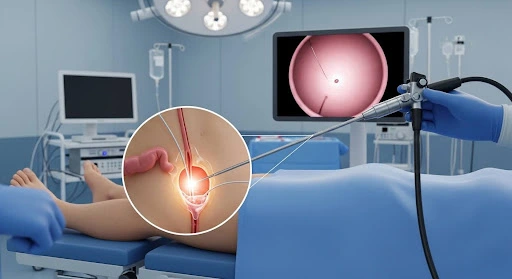
Medical billing in urology requires precise coding to ensure accurate reimbursement and compliance with payer guidelines. Among the most frequently used urology procedure codes is CPT Code 52000, which represents a diagnostic cystoscopy performed to examine the bladder and urethra.
For urology clinics, independent urologists, and medical billing professionals, understanding the cystoscopy CPT code structure is essential. Even a small coding mistake involving the cpt code 52000 or other cystoscopy-related codes can lead to claim denials, payment delays, compliance issues, or lost revenue.
Urology CPT codes typically fall within the 50000–55999 range, which includes procedures such as cystoscopy, prostate biopsy, bladder tumor treatment, and kidney stone removal. Because cystoscopy can be performed both for diagnosis and treatment, choosing the correct cpt code for cystoscopy is critical.
This detailed guide explains the 52000 cpt code, when it should be used, how it differs from other cystoscopy procedures, documentation requirements, reimbursement considerations, and best practices for medical billing teams.
Introduction to Cystoscopy CPT Codes
Cystoscopy is one of the most common diagnostic and therapeutic procedures performed in urology. During this procedure, a urologist inserts a cystoscope, which is a thin tube equipped with a light and a camera, through the urethra to examine the bladder and urinary tract.
The cystoscopy cpt code allows medical billers to accurately report the service provided and submit claims to insurance payers. Because cystoscopy procedures vary widely in complexity, multiple codes exist under the cpt code cystoscopy category.
Healthcare providers often search for the cpt code for cystoscopy to determine which code applies based on the type of procedure performed.
For example, cystoscopy procedures may involve:
- Diagnostic examination of the bladder
- Tissue biopsy for abnormal growths
- Removal of bladder tumors
- Ureteral stent placement
- Treatment of urethral strictures
Each of these procedures requires a different CPT code because the level of complexity and resources used differ significantly.
Accurate coding is critical because:
- Insurance reimbursement depends on correct CPT codes
- Coding errors can lead to claim denials or payment delays
- Incorrect coding may trigger audits or compliance investigations
- Underbilling may result in lost revenue for healthcare providers
Because cystoscopy procedures can quickly shift from diagnostic to therapeutic during the same encounter, medical billers must carefully review physician documentation before assigning the correct code.
What is CPT Code 52000?
The cpt code 52000 refers to a diagnostic cystoscopy procedure performed to visually examine the bladder and urethra.
The 52000 cpt code is used when a physician performs a cystourethroscopy strictly for diagnostic purposes. This means the procedure focuses only on examining the urinary tract without performing therapeutic interventions.
The 52000 cpt code description generally refers to diagnostic cystourethroscopy involving direct visualization of the bladder and urethra using a cystoscope.
During this procedure, the urologist inserts the cystoscope through the urethra and carefully examines the bladder lining to identify possible abnormalities.
The diagnostic purpose of this procedure is to help physicians investigate symptoms such as:
- Blood in the urine (hematuria)
- Painful urination
- Frequent urination
- Recurrent urinary tract infections
- Suspicious findings from imaging tests
It is important to understand that cpt code 52000 is strictly a diagnostic procedure. It does not include treatment such as tumor removal, stone extraction, or biopsy. If the physician performs any therapeutic intervention during the cystoscopy, a different CPT code must be used instead.
Minor tasks such as urethral calibration or measurement to allow proper insertion of the cystoscope are included in the diagnostic procedure and do not require additional coding.
The 52000 cpt code can be used in different clinical settings, including physician offices, outpatient clinics, and hospital facilities.
52000 CPT Code Description and Procedure Overview
The 52000 cpt code description identifies a diagnostic cystourethroscopy procedure that allows physicians to visually inspect the urethra and bladder.
The diagnostic cystoscopy cpt code is commonly used when physicians need to identify the cause of urinary symptoms or confirm abnormalities discovered during imaging studies.
Cystoscopy procedures may be performed using either flexible or rigid cystoscopes.
A flexible cystoscopy cpt code typically refers to cystoscopy performed with a flexible instrument that allows easier navigation through the urethra and provides greater comfort for the patient. Flexible cystoscopes are frequently used in office-based diagnostic procedures.
Rigid cystoscopes are more commonly used in surgical or hospital settings when therapeutic interventions are planned.
During the procedure, the physician inserts the cystoscope through the urethra into the bladder and examines the urinary tract for abnormalities such as tumors, stones, inflammation, or structural issues.
Because the diagnostic cystoscopy cpt code represents a visual examination only, it does not include treatment or surgical intervention.
When Physicians Use CPT Code 52000
Physicians typically use the diagnostic cystoscopy cpt code when a patient presents with symptoms that require direct visualization of the bladder and urethra.
The cystoscopy cpt code may be applied in several clinical scenarios.
Hematuria Investigation
Blood in urine is one of the most common reasons physicians perform diagnostic cystoscopy. The procedure allows the physician to inspect the bladder and urethra to determine the source of bleeding.
Recurrent Urinary Tract Infections
Patients who experience frequent urinary tract infections may require cystoscopy to identify structural abnormalities that could be causing the recurring infections.
Abnormal Imaging Results
If imaging tests such as CT scans or ultrasounds reveal unusual findings in the bladder or urinary tract, a physician may perform cystoscopy to confirm those findings through direct visualization.
Unexplained Urinary Symptoms
Patients with symptoms such as frequent urination, urgency, or painful urination may undergo diagnostic cystoscopy when other tests fail to identify the cause.
In each of these situations, the diagnostic cystoscopy cpt code is appropriate as long as the physician performs only a diagnostic examination.
CPT Codes for Cystoscopy Procedures (Comparison Guide)
Although cpt code cystoscopy procedures share similar techniques, the coding varies depending on whether treatment occurs during the procedure.
The cpt code for cystoscopy category includes both diagnostic and therapeutic procedures.
For example:
- Diagnostic cystoscopy uses 52000
- Cystoscopy with biopsy uses a different code
- Cystoscopy with stent placement uses another specific code
- Cystoscopy with ureteroscopy requires separate coding
Medical billers must determine whether the cystoscopy was purely diagnostic or whether the physician performed additional procedures during the encounter.
If a therapeutic procedure occurs during the same visit, the therapeutic CPT code generally replaces the diagnostic code according to payer bundling rules.
CPT Code for Cystoscopy with Bladder Biopsy
When a physician identifies a suspicious area during cystoscopy and removes a tissue sample for analysis, the procedure becomes therapeutic.
Medical billing professionals may search for:
- cpt code cystoscopy bladder biopsy
- cpt code cystoscopy with bladder biopsy
- cpt code for cystoscopy bladder biopsy
- cpt code for cystoscopy with bladder biopsy
A bladder biopsy may be performed when physicians suspect:
- Bladder cancer
- Abnormal tissue growth
- Lesions inside the bladder
In such cases, the biopsy code replaces the diagnostic cystoscopy code because the procedure includes tissue sampling.
Physician documentation must clearly describe the biopsy location, reason for the biopsy, and findings observed during the procedure.
CPT Code for Cystoscopy With Stent Placement
Ureteral stent placement is another procedure that may occur during cystoscopy.
Billers frequently search for the cpt code for cystoscopy with stent placement or the cystoscopy with stent placement cpt code when coding these procedures.
A ureteral stent is a small tube placed inside the ureter to allow urine to flow from the kidney to the bladder.
Stents are commonly used for:
- Kidney stones blocking the ureter
- Ureteral narrowing or obstruction
- Recovery after urological surgery
Because stent placement is considered a therapeutic intervention, it requires a different CPT code than the diagnostic cystoscopy.
CPT Code for Cystoscopy With Stent Removal
Ureteral stents are often temporary and must be removed once the patient recovers.
Medical billing professionals use the cpt code for cystoscopy with stent removal or the cystoscopy with stent removal cpt code to report this procedure.
Stent removal typically occurs when:
- A blockage has resolved
- The stent has completed its intended purpose
- A new stent must be inserted
Accurate coding requires clear documentation indicating that the stent removal was performed during cystoscopy.
CPT Code for Cystoscopy With Retrograde Pyelogram
A retrograde pyelogram is an imaging procedure sometimes performed during cystoscopy.
Billing specialists often search for:
- cpt code for cystoscopy with retrograde pyelogram
- cystoscopy retrograde pyelogram cpt code
- cpt code cystoscopy with retrograde pyelogram
During this procedure, contrast dye is injected into the ureters to produce imaging of the urinary tract.
This technique helps physicians diagnose conditions such as:
- Kidney stones
- Ureteral blockages
- Tumors in the urinary tract
Coding must reflect the additional imaging component performed during the cystoscopy.
CPT Code for Cystoscopy With Urethral Dilation
Urethral dilation is performed when the urethra becomes narrowed due to scar tissue or injury.
Medical billers may search for the following codes when this procedure occurs during cystoscopy:
- cpt code for cystoscopy with urethral dilation
- cystoscopy urethral dilation cpt code
- cpt code cystoscopy urethral dilation
- cpt code for cystoscopy urethral dilation
This procedure widens the urethra to restore normal urine flow.
Documentation must clearly indicate that urethral dilation was performed in addition to the cystoscopy.
CPT Code for Cystoscopy With Hydrodistention
Hydrodistention is a specialized bladder procedure used primarily to diagnose or treat interstitial cystitis.
Medical billers often search for the cpt code for cystoscopy with hydrodistention or the cystoscopy hydrodistention cpt code when coding this procedure.
Hydrodistention involves filling the bladder with fluid to stretch the bladder walls and evaluate bladder capacity and sensitivity.
Proper documentation is essential to ensure accurate billing for this procedure.
CPT Code for Cystoscopy With Ureteroscopy
Ureteroscopy allows physicians to examine the ureters using a specialized scope inserted through the bladder.
Billing professionals often look for:
- cpt code for cystoscopy ureteroscopy
- cpt code for cystoscopy with ureteroscopy
- cystoscopy ureteroscopy cpt code
- cystoscopy with ureteroscopy cpt code
Ureteroscopy is commonly used to diagnose or treat kidney stones, ureteral blockages, or tumors in the ureter.
Because ureteroscopy involves additional equipment and procedural complexity, it requires separate CPT coding.
Documentation Requirements for Billing Cystoscopy CPT Codes
Accurate documentation is essential for billing cystoscopy procedures.
Medical billers must verify that the physician’s documentation includes:
- Patient history and presenting symptoms
- Clinical indication for performing cystoscopy
- Details of the cystoscope insertion and examination
- Findings observed during the procedure
- Confirmation that no therapeutic intervention occurred when billing diagnostic cystoscopy
Clear documentation ensures that the procedure meets payer requirements for medical necessity.
Common Billing Errors With Cystoscopy CPT Codes
Coding mistakes can significantly affect reimbursement and compliance.
Common errors include:
- Using diagnostic codes when therapeutic procedures were performed
- Missing required modifiers
- Misinterpreting bundling rules
- Submitting claims with incomplete documentation
Avoiding these errors helps reduce claim denials and ensures faster reimbursement.
Reimbursement Guidelines for CPT Code 52000
Reimbursement for cpt code 52000 varies based on payer policies, geographic location, and place of service.
For example, Medicare payments differ depending on where the procedure is performed.
Typical reimbursement considerations include:
- Office-based procedures may have higher physician reimbursement
- Facility-based procedures may include separate facility fees
- Private insurance reimbursement depends on provider contracts
Billing teams should always verify payer-specific policies before submitting claims.
Reimbursement Overview for CPT Code 52000
Reimbursement for the diagnostic cystoscopy CPT code 52000 depends on payer type, geographic location, and the setting in which the procedure is performed. Below is a detailed breakdown to guide billing teams:
| Payer / Setting | Reimbursement Details (Approximate 2025 Rates) | Notes / Considerations |
| Medicare | Office-Based (Non-Facility): ~$213 Hospital or Facility-Based: ~$77 | Reimbursement differs significantly between office and facility settings. Office-based procedures typically include higher physician fees. |
| Medicaid | Varies by state Example – New York (eMedNY): ~$223.17 | States set their own reimbursement rates. Always verify with local Medicaid policies. |
| Private Insurance | Contract-dependent; rates vary by payer, provider, and region | Provider contracts, negotiated rates, and location affect payment. |
| Private Insurance Benchmarks (Estimates) | BCBS: ~$259.94 UnitedHealthcare: ~$274.93 Aetna: ~$326.79 Cigna: ~$376.94 | These estimates provide benchmarks for comparison, but actual reimbursement may vary. |
| Specialized Procedures | Blue Light Cystoscopy: Up to ~$848.03 | Some advanced cystoscopy techniques may qualify for CMS complexity adjustments. Not a standard CPT 52000 rate. |
Key Points for Billing Teams:
- Always confirm payer-specific policies and fee schedules before submitting claims.
- Facility vs. office settings significantly affect Medicare reimbursement.
- Advanced procedures like Blue Light Cystoscopy may warrant separate coding or complexity adjustments.
- Private insurance reimbursement is highly variable; reference contracts for precise amounts.
Conclusion
Correct coding of cystoscopy procedures is essential for maintaining compliance, ensuring proper reimbursement, and reducing claim denials.
The cpt code 52000 plays a vital role in urology billing because it represents the diagnostic cystoscopy procedure used to evaluate the bladder and urethra.
Medical billing teams must carefully review physician documentation to determine whether the cystoscopy was purely diagnostic or included therapeutic interventions. Accurate coding, proper documentation, and compliance with payer guidelines help healthcare providers maintain an efficient revenue cycle and avoid costly billing errors.