
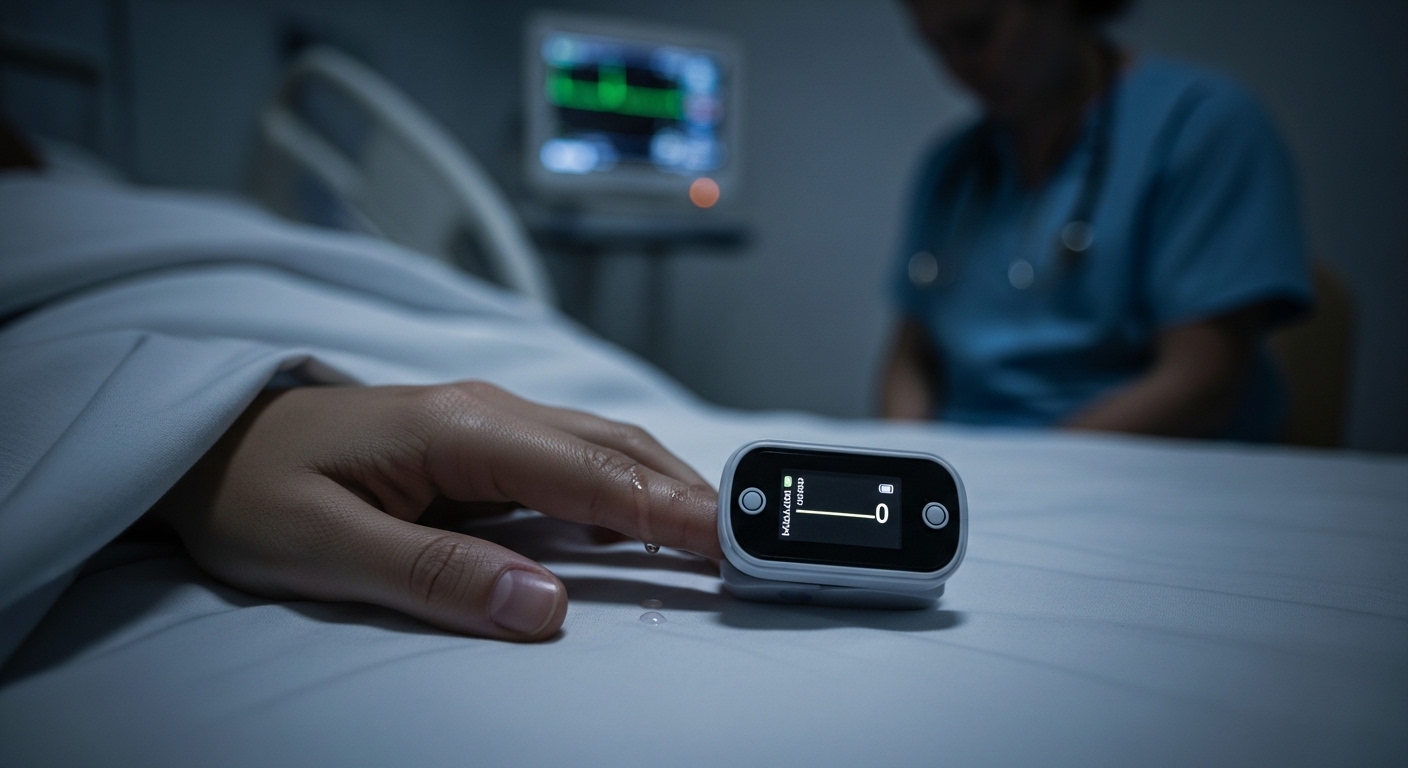
End-of-life symptom monitoring is essential for caregivers to provide effective hospice care. Observing changes in patients’ physical, emotional, and spiritual states helps maintain comfort and dignity. Caregivers play a vital role in detecting symptoms early and communicating them to the healthcare team for timely intervention.
You may also read: Urine Output in End-of-Life Care: Link to Mortality
Understanding Common End-of-Life Symptoms
Caregivers should recognize common end-of-life symptoms for proper monitoring. These include:
Pain
Shortness of breath
Agitation
Confusion
Appetite changes
Altered consciousness
Knowing these signs allows caregivers to respond quickly and provide comfort.
Regular End-of-Life Symptom Monitoring
Performing regular assessments is critical. Monitor vital signs like heart rate, blood pressure, respiratory rate, and temperature. Assess pain using scales and note any discomfort.
Document changes and share updates with the healthcare team. Consistent monitoring ensures timely interventions and improves patient comfort.
Observing and Communicating With Patients
Observation is key to symptom management. Watch for behavioral, mood, and physical changes. Nonverbal cues provide valuable insights into patient comfort.
Communicate regularly with the patient and family. Address concerns promptly. Clear communication helps caregivers effectively meet both emotional and physical needs.
Pain and Symptom Management
Pain control is a major part of end-of-life symptom monitoring. Evaluate pain regularly. Administer prescribed medications and track effectiveness.
Monitor other symptoms such as:
Shortness of breath
Nausea or vomiting
Anxiety
Work with the healthcare team to adjust care plans as symptoms change.
Comfort and Emotional Support
Provide comfort measures alongside symptom monitoring. Reposition patients to reduce pressure, maintain oral hygiene, and offer gentle emotional support.
Create a peaceful environment for reflection or conversation. Emotional and spiritual support is essential during the end-of-life process.
Collaboration With the Healthcare Team
Effective end-of-life symptom monitoring involves teamwork. Caregivers should share observations with nurses, physicians, and chaplains. Collaborate on care planning and symptom management.
Close coordination ensures comprehensive care and enhances patient comfort.
Conclusion
End-of-life symptom monitoring helps caregivers provide compassionate and effective hospice care. Regular observation, pain and symptom management, comfort measures, emotional support, and team collaboration ensure patients maintain dignity and quality of life in their final days.