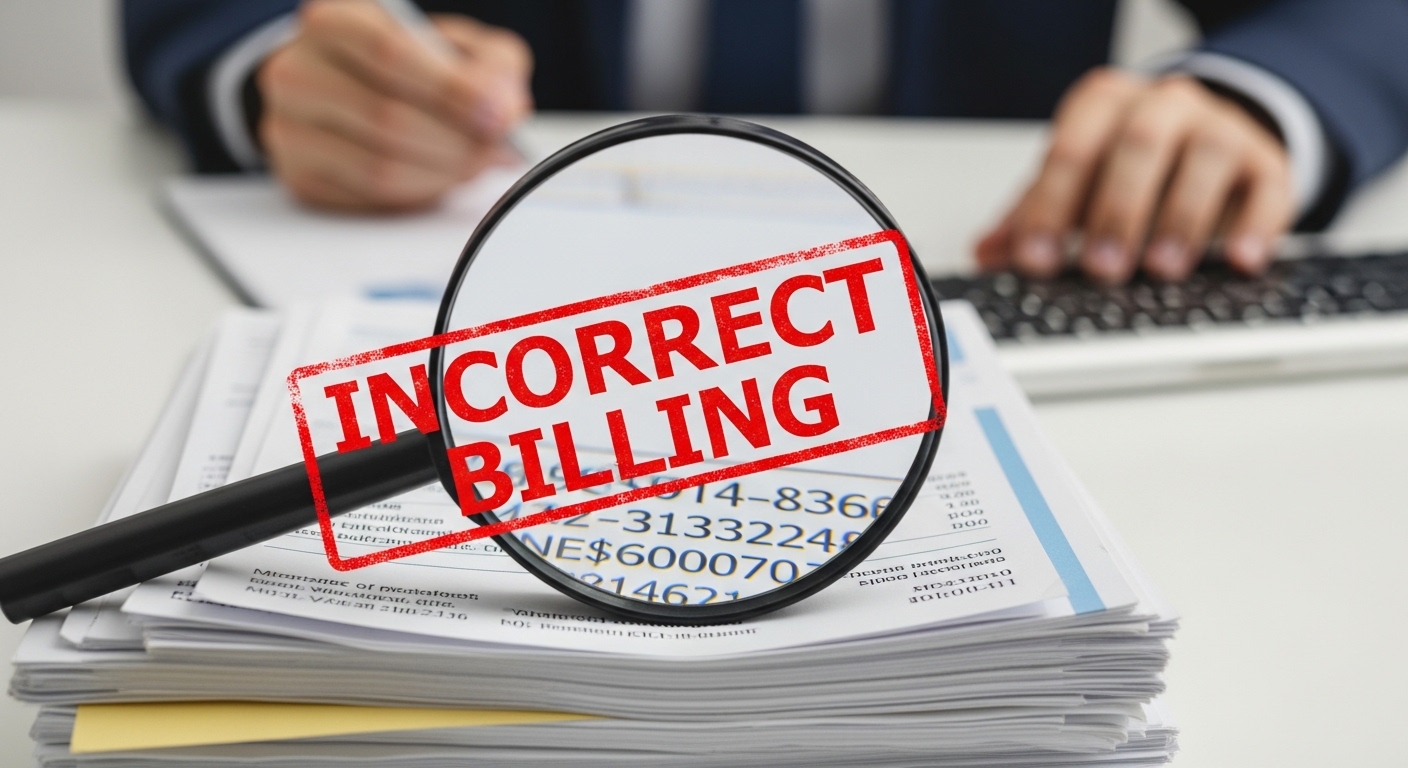
The healthcare industry faces significant challenges when it comes to maintaining accurate and compliant billing. Incorrect billing can lead to costly errors, delayed reimbursements, and compliance issues. To address these challenges, guidelines to prevent incorrect billing have become an essential part of healthcare operations. These guidelines improve billing accuracy, reduce errors, and help ensure healthcare providers remain compliant with industry regulations.
In this article, we’ll explore key guidelines for preventing incorrect billing, their role in enhancing accuracy, and how healthcare providers can implement these practices to streamline their billing processes.
Why Guidelines to Prevent Incorrect Billing Are Crucial
Medical billing is a complex process that demands precision. Incorrect billing can result in overcharges, undercharges, or rejected claims. Guidelines to prevent incorrect billing are designed to simplify the billing process by offering clear instructions and standardized practices for coding, documentation, and claim submission. These practices are crucial in minimizing human error and ensuring that claims are processed correctly.
By adhering to these guidelines, healthcare providers can reduce billing discrepancies, maintain positive relationships with payers, and avoid costly financial penalties. Accurate billing also ensures that providers receive appropriate reimbursement for services rendered.
Key Practices in Guidelines to Prevent Incorrect Billing
Several core strategies within guidelines to prevent incorrect billing can help improve billing accuracy. These practices are essential in reducing errors and maintaining compliance with regulatory standards.
1. Comprehensive Documentation
One of the most important aspects of accurate medical billing is thorough documentation. Guidelines to prevent incorrect billing stress the importance of accurate and complete documentation to support every claim. Medical coders and billers need to ensure that all patient encounters, diagnoses, treatments, and procedures are documented clearly and linked to the appropriate billing codes.
The documentation must demonstrate the medical necessity of each service, ensuring that insurers can review it effectively. Following these guidelines helps prevent errors and claims denials due to insufficient documentation.
2. Accurate Medical Coding
Proper medical coding is a key component of the billing process. Guidelines to prevent incorrect billing emphasize the use of the correct codes for diagnoses, procedures, and services provided. Incorrect coding can lead to billing errors, delayed payments, and potential legal issues.
Healthcare providers should regularly update their knowledge of coding systems, such as ICD-10, CPT, and HCPCS. It’s also vital to verify that the codes match the services provided and comply with payer requirements. Adhering to these guidelines minimizes coding errors, streamlines billing, and enhances financial health.
3. Regular Audits and Compliance Checks
Frequent audits and compliance checks are essential in detecting potential billing errors and preventing fraud. Guidelines to prevent incorrect billing recommend conducting regular audits of billing practices. These audits can identify discrepancies, non-compliance issues, and patterns of error between documented services and billed services.
By carrying out regular audits, healthcare providers can catch mistakes early and correct them before they become recurring issues. This proactive approach ensures adherence to compliance standards and minimizes the risk of billing errors.
4. Ongoing Staff Training
Effective training is critical in guidelines to prevent incorrect billing. Healthcare providers must ensure their billing and coding teams stay well-informed about current billing practices, coding updates, and regulatory changes. Regular training sessions help staff remain up-to-date on the latest guidelines and avoid common mistakes.
Investing in staff education helps create a culture of accuracy and compliance, ultimately reducing billing errors and improving the overall efficiency of the billing process.
5. Clear Communication with Payers
Clear communication with insurance companies, Medicare, Medicaid, and other payers is critical in preventing billing errors. Guidelines to prevent incorrect billing emphasize the importance of maintaining open communication channels. Effective communication can resolve issues quickly, clarify coding discrepancies, and ensure timely reimbursements.
When disputes arise, prompt and clear communication helps resolve them efficiently, minimizing delays and reducing the likelihood of future billing errors.
Benefits of Implementing Guidelines to Prevent Incorrect Billing
Implementing guidelines to prevent incorrect billing offers numerous benefits for healthcare providers, patients, and insurance companies. These benefits include:
Reduced Financial Loss: Accurate billing prevents underbilling or overbilling, ensuring that healthcare providers are reimbursed correctly for services provided.
Improved Cash Flow: By minimizing errors and rejections, healthcare providers can improve cash flow and reduce delays in payment.
Regulatory Compliance: Adhering to established guidelines ensures compliance with healthcare billing regulations, reducing the risk of penalties and audits.
Enhanced Reputation: Accurate billing practices foster trust and build long-term relationships with both patients and payers.
How Technology Supports Billing Guidelines
Technology plays a crucial role in supporting guidelines to prevent incorrect billing. Many software solutions, such as Electronic Health Record (EHR) systems, billing software, and automated coding tools, help streamline the billing process and improve accuracy.
Automated Code Validation
Some billing software includes automated code validation to ensure that the codes used in claims are correct and compliant with the latest standards. This helps avoid errors that could delay payments or result in denied claims.
Error Detection
Billing software can flag common errors before claims are submitted, such as missing documentation or incorrect codes. This reduces the chances of mistakes and speeds up the submission process.
Data Analytics
Analytics tools can identify billing error trends, helping healthcare providers address recurring issues and improve their billing practices. Data-driven insights enable healthcare providers to make informed decisions that enhance billing efficiency.
Conclusion
Guidelines to prevent incorrect billing are an essential resource for healthcare providers looking to improve billing accuracy, reduce errors, and stay compliant with healthcare regulations. By implementing comprehensive documentation, accurate coding, regular audits, ongoing training, and clear communication with payers, healthcare organizations can reduce billing errors and improve their financial performance.
As the healthcare industry continues to evolve, adopting these guidelines and leveraging technology will be crucial in maintaining accurate billing practices. By staying current with the latest best practices, healthcare providers can safeguard their financial and legal interests while providing excellent care to their patients.