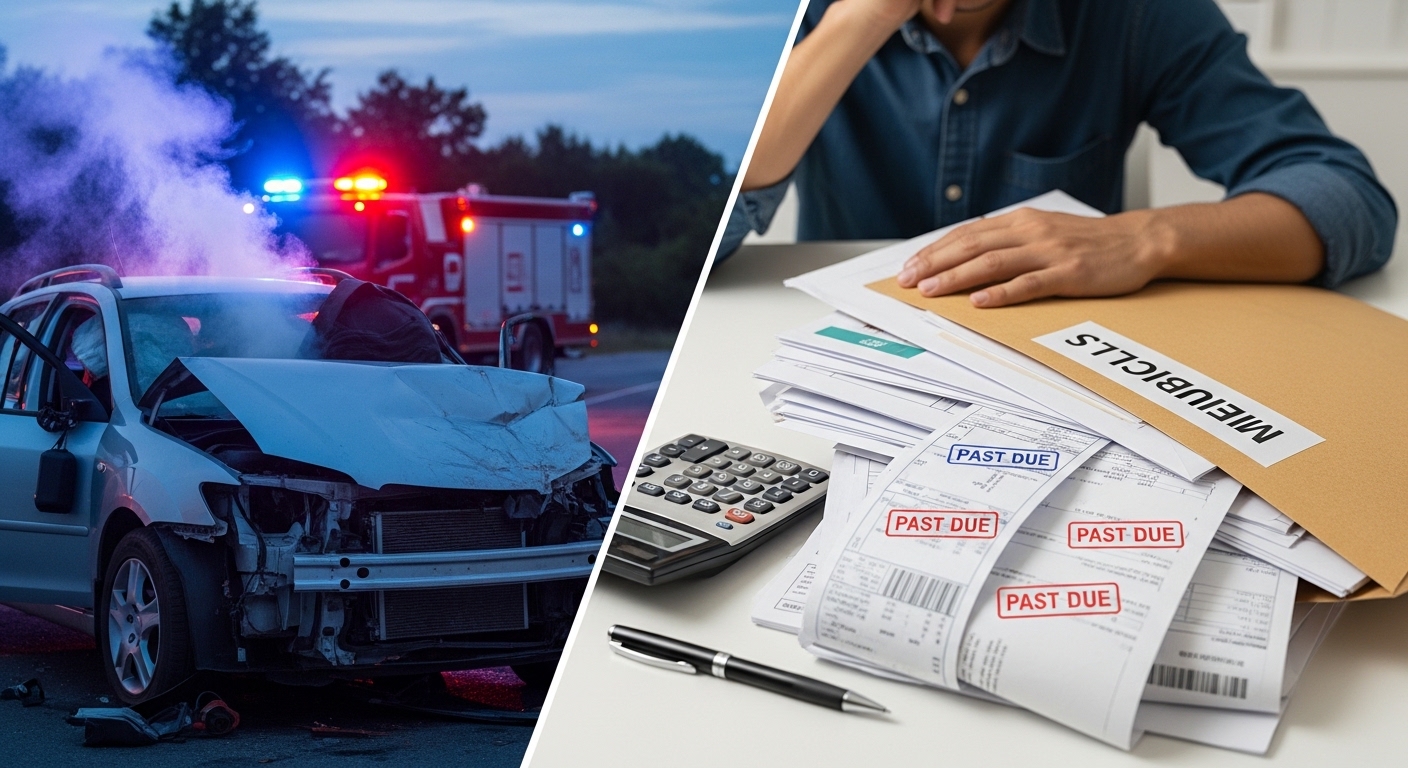
Dealing with medical bills after a car accident can be one of the most overwhelming aspects of recovery. The emotional and physical toll of an accident is already significant, and adding financial concerns on top can be stressful. Understanding how medical bills are paid after a car accident can help you navigate the complexities and ease some of the burden during this challenging time.
This blog explores various methods to pay for medical bills following a car accident, including insurance options, health coverage, and Personal Injury Protection (PIP). It also discusses what to do when medical bills exceed the coverage limits.
Types of Insurance That Cover Medical Bills After a Car Accident
When asking how medical bills are paid after a car accident, it’s essential to consider the different types of insurance that may apply. The way your bills are paid depends on the specifics of your accident and the insurance policies involved.
1. At-Fault Driver’s Insurance
If the other driver is at fault, their liability insurance is typically the first source to cover your medical expenses. This insurance will pay for your medical bills up to the policy’s coverage limits.
However, if the at-fault driver has insufficient coverage or no insurance at all, you may be left to manage the expenses on your own. In such cases, it’s essential to know the alternatives that can help fill the gaps.
2. Your Health Insurance
If the at-fault driver’s insurance does not cover all of your medical bills, your health insurance may step in to pay for the remaining costs. This can include expenses for:
Emergency treatments
Hospital stays
Outpatient services
Surgeries
It’s important to check with your health insurer to ensure accident-related injuries are covered. In some cases, health insurers may attempt to recover the funds they paid through a process called subrogation.
3. Personal Injury Protection (PIP) Coverage
If you live in a no-fault state, Personal Injury Protection (PIP) coverage is another option to pay for medical bills after a car accident. PIP covers medical costs, lost wages, and other accident-related expenses, regardless of who caused the crash.
In no-fault states, PIP is usually the first line of coverage for medical expenses, and it can be combined with other insurance, like health insurance, to cover the full treatment costs.
4. Uninsured/Underinsured Motorist Coverage
If the driver responsible for the accident has no insurance or insufficient coverage, your uninsured or underinsured motorist coverage can help pay for your medical bills. This coverage ensures that you’re not left to shoulder the financial burden when the at-fault party cannot cover the expenses.
5. Medicaid or Medicare
For individuals covered by Medicaid or Medicare, these programs may also assist with medical bills following a car accident. However, both programs may seek reimbursement if you receive a settlement from the at-fault driver’s insurance. This process is known as subrogation.
What to Do When Medical Bills Exceed Your Coverage
Even with multiple types of insurance in play, medical bills may sometimes exceed the available coverage. In such cases, here are a few options to consider when wondering how medical bills are paid after a car accident:
1. Negotiating Your Medical Bills
If your medical expenses go beyond your coverage, consider negotiating with your healthcare provider. Many providers are willing to work out payment plans or offer discounts, especially if you’re unable to pay the full amount upfront.
2. Personal Injury Lawsuit
In cases where your medical expenses exceed your insurance coverage, you may choose to file a personal injury lawsuit against the at-fault driver. If you win the lawsuit, you could receive additional compensation to help cover medical costs. Keep in mind that the outcome depends on the financial status of the at-fault driver and the court’s decision.
What Happens When Medical Bills Exceed Your Policy Limits?
When medical bills surpass the coverage provided by your insurance policy, it can create significant financial strain. This is why it’s critical to ensure you have adequate coverage in place before an accident happens. If necessary, your attorney may assist in negotiating with providers and insurance companies to minimize any financial gaps.
How to Prevent Medical Bill Issues After an Accident
To avoid problems with paying medical bills after a car accident, it’s essential to take proactive steps before an accident happens:
Review your auto insurance to ensure you have sufficient coverage, including PIP or uninsured motorist coverage.
Check your health insurance to ensure it covers accident-related medical costs.
Consider additional coverage such as umbrella insurance to provide extra protection in case of high medical expenses.
By understanding your coverage options and how medical bills are paid after a car accident, you can be better prepared to manage your medical expenses and reduce financial stress after an accident.
Conclusion: Navigating Medical Bills After a Car Accident
In conclusion, knowing how medical bills are paid after a car accident is crucial for anyone involved in a crash. Whether it’s through the at-fault driver’s insurance, your health insurance, or PIP coverage, understanding your options can help reduce the financial burden. If your bills exceed the available coverage, negotiating with providers or filing a personal injury lawsuit could provide additional relief.
For more information on medical bill payment options and insurance coverage, visit resources such as HealthCare.gov for further assistance.