What Is a Triage Code in Home Health?
A triage code home health process helps determine how urgently a patient needs attention. It can guide assessment, intervention, communication, and escalation.Clinicians may review several factors before assigning a priority. These factors can reveal changes that require faster action.Important considerations include:- Current symptoms and vital signs.
- Recent changes in the patient’s condition.
- Existing diagnoses and comorbidities.
- Medication-related concerns.
- Fall and injury risks.
- Ability to perform daily activities.
- Cognitive status and communication abilities.
- Availability of caregiver support.
- Transportation and emergency service access.
- Environmental and household safety concerns.
- Potential for rapid clinical deterioration.
What Is a Triage Risk Code for Home Health?
A triage risk code for home health can help agencies categorize patient urgency. It can also help teams identify patients requiring additional attention.For example, an agency may prioritize patients needing immediate clinical attention. Another category may identify patients requiring same-day assessment.Other patients may need increased monitoring or care-plan reassessment. Some situations may also require provider notification or emergency services.A triage code home health system should support professional judgment. It should never replace clinical assessment or appropriate emergency action.Risk categorization may consider clinical instability and symptom severity. It may also consider the likelihood of deterioration.Medical equipment dependence can increase vulnerability during certain situations. Caregiver availability can also influence a patient’s ability to remain safe.Environmental vulnerability matters as well. Patients may face difficulties evacuating, sheltering, or accessing essential services.Bullet-point example of information that may influence risk prioritization:
- High-risk indicators: Acute changes, severe symptoms, unstable vital signs, or serious injuries.
- Moderate-risk indicators: Worsening symptoms that require prompt evaluation without obvious instability.
- Lower-risk indicators: Stable patients who can continue established care with routine monitoring.
Understanding Triage Levels in Home Health
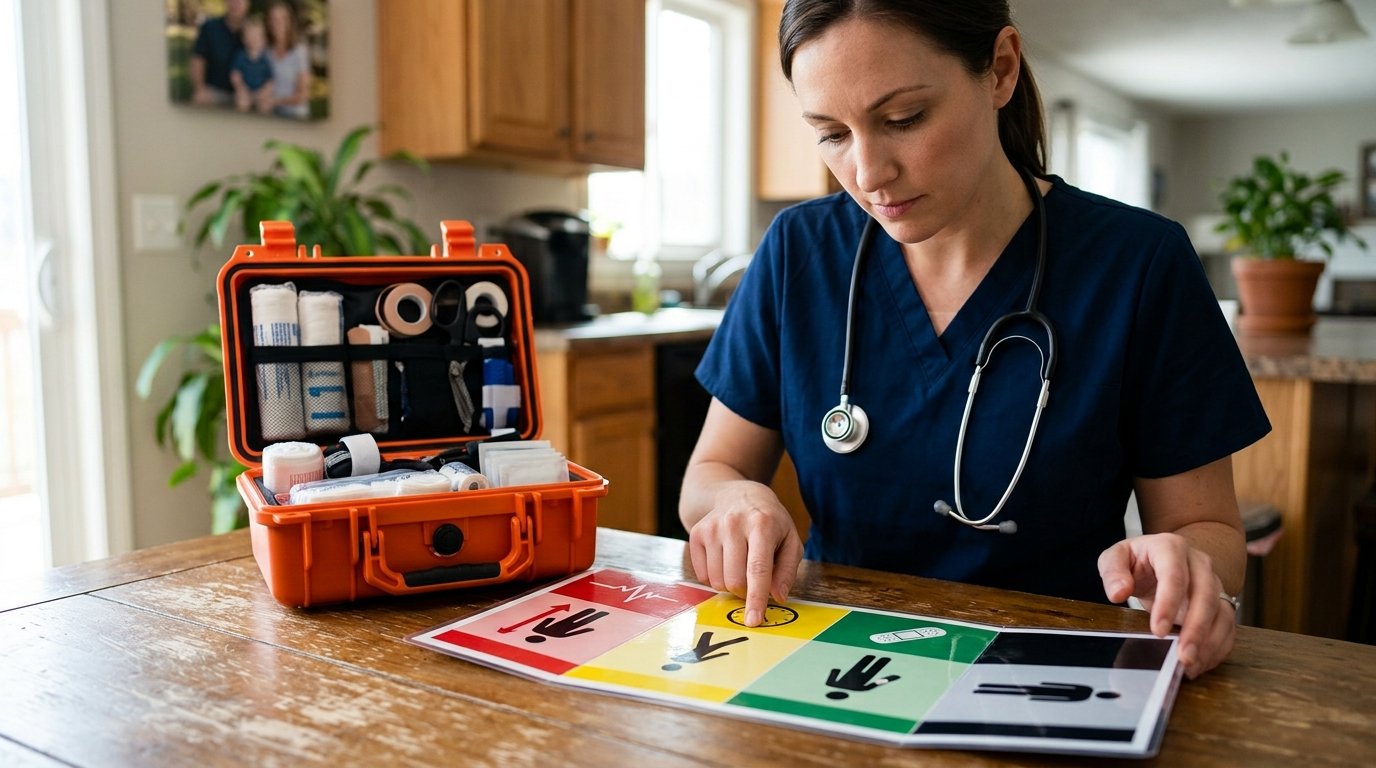
Agencies may organize patients according to different urgency levels. A triage code home health process can support this organization.The exact categories depend on agency procedures and clinical requirements. Nevertheless, three broad priority groups often provide useful structure.High-Priority or Emergent Patients
High-priority patients may require immediate intervention or emergency escalation. Their conditions may present immediate threats to health or safety.Potential examples include:- Severe respiratory distress.
- Significant chest pain.
- Suspected stroke symptoms.
- Uncontrolled bleeding.
- Loss of consciousness.
- Severe allergic reactions.
- Major trauma.
- Immediate danger within the home.
Urgent Patients
Urgent patients may require prompt clinical evaluation. However, they may not show immediate signs of life-threatening instability.Examples can include significant symptom worsening. New confusion may also require prompt assessment.Medication problems can create additional concerns. New wound problems and falls may also require evaluation.A substantial change in functional status can indicate increased risk. Clinicians should compare current findings with the patient’s baseline.Routine or Lower-Priority Patients
Routine patients generally remain clinically stable. They also follow their established plan of care.These patients may show no significant new symptoms. They can usually maintain essential treatments safely.Appropriate caregiver support may further reduce immediate concerns. However, lower priority does not mean no risk.A triage code home health classification should remain subject to reassessment. Patient conditions can change rapidly.Triage Codes OASIS: How Are They Related?
The phrase triage codes OASIS can create confusion among home health professionals. OASIS and triage codes do not necessarily represent the same system.OASIS stands for Outcome and Assessment Information Set. It supports standardized home health assessment and data collection.OASIS information can describe several clinically relevant areas. These areas include functional status, cognition, mobility, and medication management.It can also capture information about patient risks and care needs. Clinicians can use these findings when developing a broader clinical picture.However, an OASIS response does not automatically equal a specific triage level. Agencies should avoid making that assumption.Current CMS OASIS guidance should guide applicable assessment requirements. Agencies should also monitor updates to item specifications and official instructions.Key distinction to emphasize:
- OASIS: Standardized assessment and data collection.
- Triage: Determination of urgency and appropriate response.
- Emergency preparedness: Planning for safety during emergencies.
- Emergency response: Action taken when an immediate threat exists.
How OASIS Assessment Findings Can Support Risk Identification
OASIS findings can help clinicians identify patients who need closer attention. However, clinicians must combine those findings with current observations.Functional limitations can affect a patient’s ability to remain safe. Mobility difficulties may also increase fall and injury risks.Cognitive challenges can affect medication management and emergency communication. Caregiver dependence can create additional vulnerability.Medical equipment needs also deserve careful consideration. Patients who depend on essential equipment may face greater risks during disruptions.A triage code home health assessment should consider current clinical conditions. Historical information alone cannot determine present urgency.Therefore, clinicians should document meaningful changes from baseline. They should also communicate important changes across the care team.Home Health Emergency Preparedness Triage Levels
Home health emergency preparedness triage levels help agencies identify vulnerable patients. These levels can support planning before and during emergencies.Emergency planning may consider patient location and medical needs. It may also consider electricity dependence and essential medical equipment.Oxygen-dependent patients may require specific continuity plans. Medication requirements can create additional challenges during disruptions.Mobility limitations may complicate evacuation. Cognitive or communication barriers can create further difficulties.Caregiver availability also affects emergency planning. Transportation limitations may prevent patients from reaching safer locations.Therefore, emergency preparedness triage can differ from daily clinical triage. Agencies should maintain current emergency information for vulnerable patients.Common Home Health Emergency Preparedness Triage Categories
Terminology can vary between organizations. Likewise, color and number systems may differ between agencies.A triage code home health system should clearly define each category. Staff should understand the expected response for every category.Potential category structure to explain:
- Highest priority: Patients needing rapid intervention to protect health or safety.
- Intermediate priority: Patients needing prompt contact, assessment, relocation, or assistance.
- Lower priority: Stable patients with adequate resources or caregiver support.
- Special considerations: Patients requiring individualized emergency planning.
How Triage Risk Codes Help Prioritize Home Health Patients
A structured triage code home health approach can improve operational decision-making. It helps agencies focus limited resources where they matter most.Agencies can identify patients needing immediate attention. They can also prioritize visits after an emergency.Teams may determine which patients need telephone follow-up. They can coordinate with physicians and other healthcare professionals.A structured approach can identify patients requiring emergency services. It can also support continuity of essential care.During emergencies, agencies may have limited staff availability. Clear prioritization helps reduce the chance of overlooking vulnerable patients.Billing teams also benefit from clear clinical documentation. For agencies reviewing revenue processes, home health billing services can support administrative accuracy.When Should a Home Health Patient Be Escalated?
Escalation should depend on the patient’s clinical condition. Agencies should also follow applicable escalation protocols.Warning signs can indicate the need for urgent evaluation. These signs include:- Sudden changes in mental status.
- Difficulty breathing.
- New chest pain.
- Signs of stroke.
- Significant bleeding.
- Severe or rapidly worsening pain.
- New inability to perform essential functions.
- Serious falls or injuries.
- Severe medication reactions.
- Rapid overall deterioration.
Triage Code Home Health Documentation Best Practices
Clear documentation supports patient safety and continuity of care. It also helps other clinicians understand what happened.Documentation should include the assessment date and time. It should also describe reported symptoms and objective findings.When appropriate, clinicians should document vital signs. They should clearly identify changes from baseline.Relevant medications and treatments should receive appropriate documentation. Clinicians should also record immediate risks and actions taken.Documentation should identify people who received notifications. It should also include instructions received and follow-up plans.Patient and caregiver education should appear when applicable. The record should explain why escalation occurred or monitoring continued.Documentation should be:
- Objective.
- Specific.
- Timely.
- Clinically relevant.
- Consistent with the patient’s condition.
- Consistent with agency policy.
- Clear enough for another clinician to understand.
Common Mistakes When Using Home Health Triage Codes
Agencies can face several problems when implementing triage systems. These problems often involve communication, outdated protocols, or inconsistent documentation.Common mistakes include:- Treating a triage code as clinical judgment.
- Using outdated agency protocols.
- Confusing OASIS responses with triage codes.
- Failing to update risk status after changes.
- Ignoring caregiver limitations.
- Overlooking environmental hazards.
- Failing to document escalation.
- Assuming stable patients remain low risk during emergencies.
- Using inconsistent terminology across teams.
- Failing to communicate changes across the care team.
Triage Code Home Health vs. OASIS vs. Emergency Preparedness
| Area | Primary Purpose | Typical Use |
| Home Health Triage | Determine urgency and response | Clinical prioritization |
| Triage Risk Code | Categorize relative risk or urgency | Prioritization and escalation |
| OASIS | Standardized assessment and data collection | Assessment and regulatory purposes |
| Emergency Preparedness | Protect patients during emergencies | Disaster planning and continuity |
| Emergency Triage | Determine emergency priority | Resource allocation and rapid response |
How Agencies Can Build a Reliable Home Health Triage Process
A reliable process requires clear policies and consistent training. Agencies should also review their procedures regularly.Establish standardized protocols
Agencies should define their triage categories clearly. They should establish specific escalation criteria.Leadership should identify who can escalate a case. Clinicians should also have easy access to approved protocols.Train clinical staff
Training should cover several practical areas:- Recognizing changes in condition.
- Identifying emergency warning signs.
- Meeting documentation expectations.
- Following communication procedures.
- Understanding emergency preparedness.
- Recognizing patient-specific risk factors.
Keep patient information current
Agencies should regularly review important patient information. This process should include:- Contact information.
- Emergency contacts.
- Caregiver availability.
- Medication information.
- Medical equipment needs.
- Provider information.
- Emergency plans.
- Patient location and accessibility concerns.
Review high-risk patients regularly
Agencies should reassess patients after hospitalization. They should also reassess patients after significant condition changes.Emergency preparedness information should receive regular updates. Relevant changes should reach every appropriate care team member.Role of Communication in Home Health Triage
Triage involves more than assigning a code. Effective communication determines whether the response actually protects the patient.Home health nurses may communicate with physicians and practitioners. Therapists and caregivers may also provide important information.Clinical leadership can help coordinate complex situations. Emergency medical services may become necessary during serious events.Communication should clearly explain what changed. It should identify when the change occurred.Teams should also communicate the severity of the change. They should explain what assessment occurred and what action followed.Finally, teams should identify required follow-up. This approach creates clearer continuity across the patient’s care team.Technology and Triage in Modern Home Health
Technology can strengthen triage code home health processes. However, technology should support clinical decisions rather than replace them.Electronic health records can centralize patient information. Mobile documentation can help clinicians record findings promptly.Automated alerts can identify potential concerns. Patient monitoring technologies can provide additional data.Secure communication can improve coordination among care team members. Electronic care plans can also improve access to current information.Digital patient risk lists can help agencies organize vulnerable patients. However, data accuracy remains essential.Alerts also require clinical interpretation. Therefore, agencies should integrate technology with established clinical protocols.Regulatory and Compliance Considerations for Home Health Triage
Agencies should align triage procedures with applicable requirements. These may include federal, state, payer, and organizational requirements.CMS guidance remains important for applicable OASIS requirements. Agencies should also review emergency preparedness requirements that apply to their operations.Organizations should avoid relying on outdated online definitions. Instead, they should review current official guidance.A triage code home health system may represent an agency-created operational process. That process should not automatically be described as a federal coding requirement.Agencies should clearly distinguish regulatory requirements from internal procedures. This distinction reduces confusion among clinical and administrative teams.For agencies reviewing payment structures, PDGM explained for agencies resources can provide additional operational context. However, payment methodology and clinical triage remain separate concepts.Practical Example of Triage Code Home Health Decision-Making
Scenario:
A previously stable home health patient develops a significant condition change. The clinician must determine the appropriate response.First, the clinician identifies the change from baseline. Next, the clinician performs an appropriate clinical assessment.The clinician then identifies immediate safety concerns. If necessary, the clinician determines whether emergency intervention is required.Next, the clinician follows the agency’s escalation protocol. The clinician contacts the appropriate healthcare professional when indicated.The clinician documents findings and actions clearly. The patient’s care and risk information may then require updates.Finally, the clinician communicates the change to relevant team members. Appropriate follow-up should also be established.This example demonstrates a process rather than a universal code. Each agency should follow its approved protocols and applicable requirements.Best Practices for Using Triage Risk Codes in Home Health
- Use clearly defined triage categories.
- Base prioritization on current patient conditions.
- Combine clinical findings with patient-specific circumstances.
- Keep OASIS information accurate and current.
- Maintain individualized emergency preparedness plans.
- Document meaningful changes from baseline.
- Establish clear escalation procedures.
- Train clinical staff consistently.
- Review high-risk patients periodically.
- Update protocols when guidance changes.
- Maintain clear communication across the care team.
- Never let a triage label delay emergency treatment.
Key Takeaways About Triage Code Home Health
- Triage code home health broadly describes patient urgency and response prioritization.
- A triage risk code for home health can organize patients by urgency or vulnerability.
- Triage codes OASIS should not automatically be treated as one system.
- Home health emergency preparedness triage levels can support emergency prioritization.
- Triage terminology can vary among agencies and organizations.
- Clinical judgment remains essential during every triage decision.
- Accurate documentation supports safe and continuous patient care.
- Clear communication strengthens escalation and follow-up.
- Emergency symptoms require appropriate emergency evaluation.
- Routine home health procedures should never delay emergency treatment.
Frequently Asked Questions (FAQs)
Get clear and concise answers about triage code home health, including how triage risk codes support patient prioritization, emergency preparedness, escalation decisions, OASIS coordination, and safer home health care.
A triage code in home health is a way to categorize patient urgency and help clinicians determine the appropriate response. It supports prioritization, assessment, communication, and escalation based on the patient’s current condition and risk factors.
A triage risk code helps categorize patients according to their level of urgency or vulnerability. Agencies may use high-, moderate-, and lower-risk categories, but there is no single universal coding system that applies to every home health agency.
No. OASIS is a standardized assessment and data collection system, while triage focuses on determining patient urgency and the appropriate response. OASIS findings may support risk identification, but they do not automatically determine a patient’s triage level.
Home health agencies may use high-priority, urgent, and routine or lower-priority categories. High-priority patients may require immediate intervention, urgent patients may need prompt assessment, and stable patients may continue with routine care and monitoring.
Escalation may be necessary when a patient develops serious or rapidly worsening symptoms, such as difficulty breathing, chest pain, stroke symptoms, significant bleeding, sudden mental-status changes, serious injuries, or severe medication reactions. Emergency symptoms require appropriate emergency medical evaluation.
Documentation should include the date and time of assessment, reported symptoms, objective findings, relevant vital signs, changes from baseline, risks identified, actions taken, notifications made, instructions received, and follow-up plans. Documentation should be timely, specific, objective, and consistent with agency policy.