
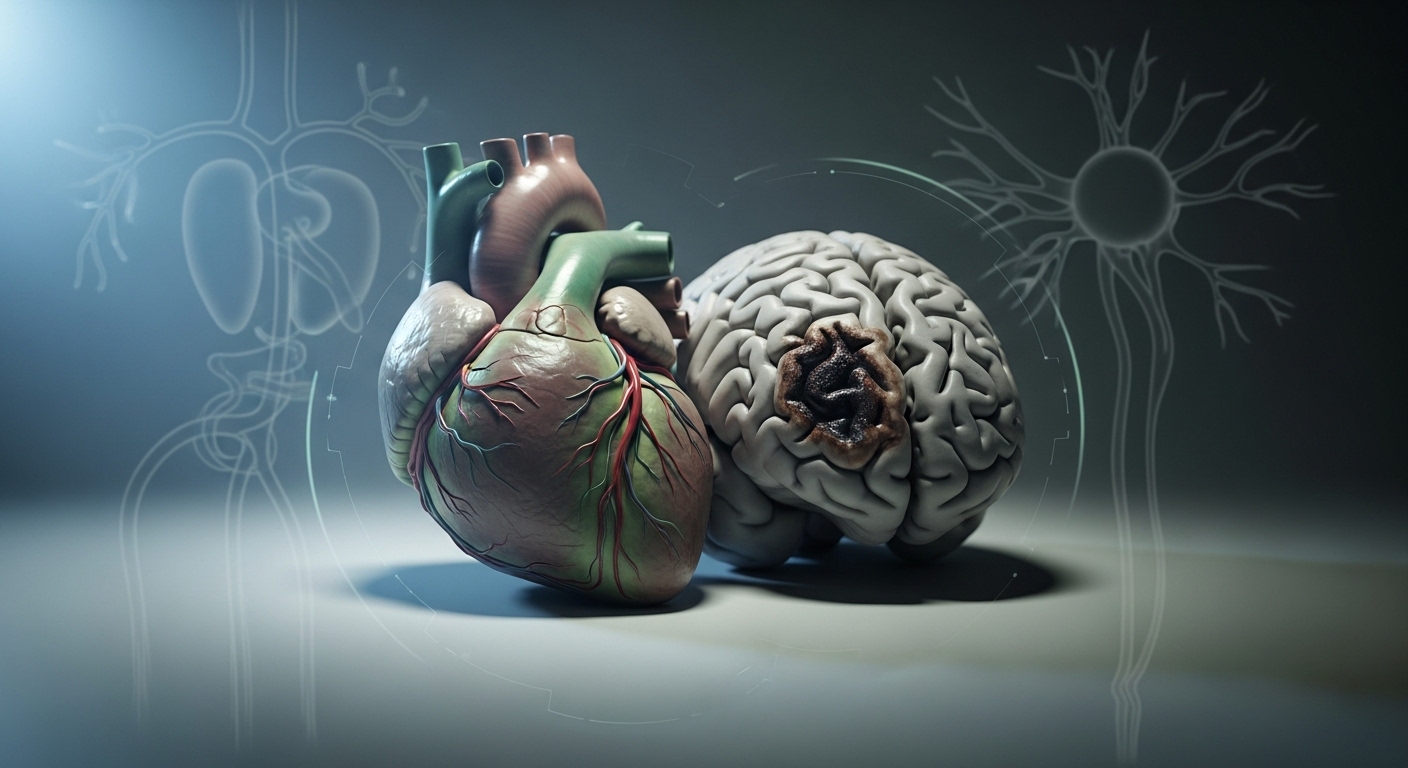
Understanding the order of organ shutdown after death: post-mortem insights helps us uncover the sequence in which the body’s organs stop functioning. After death, the body does not shut down all at once. Instead, each organ system gradually fails. Recognizing this sequence can provide valuable knowledge for medical professionals, students, and anyone curious about post-mortem physiology. This article explains the predictable order of organ shutdown and the changes that occur in each system after death.
Brain and Nervous System Shutdown
The brain and nervous system play a central role in controlling body functions. After death, the brain stops sending signals, and consciousness disappears within minutes to hours. However, some brain cells may survive briefly, allowing researchers to study early post-mortem changes.
Neurological activity ceases first, making the brain the organ that shows immediate functional loss after death. This early shutdown explains why awareness, reflexes, and higher mental functions vanish quickly.
Key takeaway: The brain’s rapid shutdown is the first major sign of post-mortem change, which medical examiners often note.
Heart and Circulatory System Failure
The heart, a vital organ for pumping blood, may continue beating for a short period after death. In some cases, artificial support or residual electrical activity can sustain heartbeat temporarily. Gradually, circulation diminishes, and blood flow stops entirely.
Once the heart stops, tissues no longer receive oxygen, accelerating cellular death throughout the body. The circulatory shutdown contributes to other organ failures and begins the cascade of post-mortem changes.
Key takeaway: The heart may linger in activity for minutes, but its eventual shutdown triggers systemic organ failure.
Lungs and Respiratory System Shutdown
Following circulatory failure, the lungs stop exchanging gases. Breathing ceases, and oxygen levels in the bloodstream drop. Carbon dioxide accumulates, creating acidosis, which further harms organ cells.
This process typically occurs within minutes to a few hours after heart stoppage. Without oxygen, tissues cannot survive, and respiratory failure accelerates the overall shutdown of the body.
Key takeaway: Lung function halts soon after the heart, marking a crucial step in the post-mortem progression.
Digestive System and Abdominal Organs
The digestive system, including the stomach, intestines, liver, and pancreas, ceases activity after the heart and lungs fail. Enzyme production stops, and peristalsis (the movement of food through the intestines) ends.
Other abdominal organs, such as the liver and pancreas, also lose function, contributing to metabolic stagnation. The digestive shutdown is slower than the brain or heart but is inevitable as oxygen and nutrients vanish from cells.
Key takeaway: Digestive organ failure marks the mid-phase of the body’s post-mortem shutdown.
Kidneys and Urinary System
Kidney function declines after the heart and lungs stop, leading to the cessation of urine production. As blood circulation diminishes, the kidneys cannot filter waste or maintain fluid balance.
This shutdown contributes to the body’s accumulation of toxins, further accelerating cellular death across organ systems. The urinary system’s failure is a critical step in the final stages of organ shutdown.
Key takeaway: Kidney failure represents the late stage of organ system shutdown after death.
Musculoskeletal and Endocrine Systems
Muscles lose tone and rigidity shortly after death, leading to classic post-mortem changes like rigor mortis. Hormone production in endocrine glands also halts, disrupting any remaining cellular activity.
These systems shut down after the vital organs, marking the body’s approach to complete physiological cessation.
Key takeaway: Musculoskeletal and endocrine shutdown finalizes the body’s overall functional decline.
Cellular Metabolism and Complete Organ Failure
Ultimately, all cells in the body stop metabolizing. Oxygen depletion, toxin accumulation, and energy failure lead to complete cellular death. By this stage, the body has reached total post-mortem shutdown.
This final stage confirms the predictable order of organ shutdown after death: post-mortem insights observed by pathologists and researchers.
Key takeaway: Total cellular shutdown marks the completion of the post-mortem process.
Factors Affecting Organ Shutdown
The exact timing of organ shutdown can vary depending on:
- Cause of death
- Age and health condition
- Environmental factors, such as temperature
- Medical interventions like resuscitation
Despite these variations, the general sequence of brain, heart, lungs, digestive organs, kidneys, musculoskeletal system, and finally complete cellular death, remains consistent.
Conclusion
Recognizing the order of organ shutdown after death: post-mortem insights helps explain the body’s final physiological processes. The brain loses function first, followed by the heart and lungs. Digestive and urinary organs shut down next, with musculoskeletal and endocrine systems failing later. Finally, cellular metabolism ceases, completing the post-mortem progression.
Understanding these steps is essential for medical studies, forensic investigations, and anyone studying human physiology after death.