
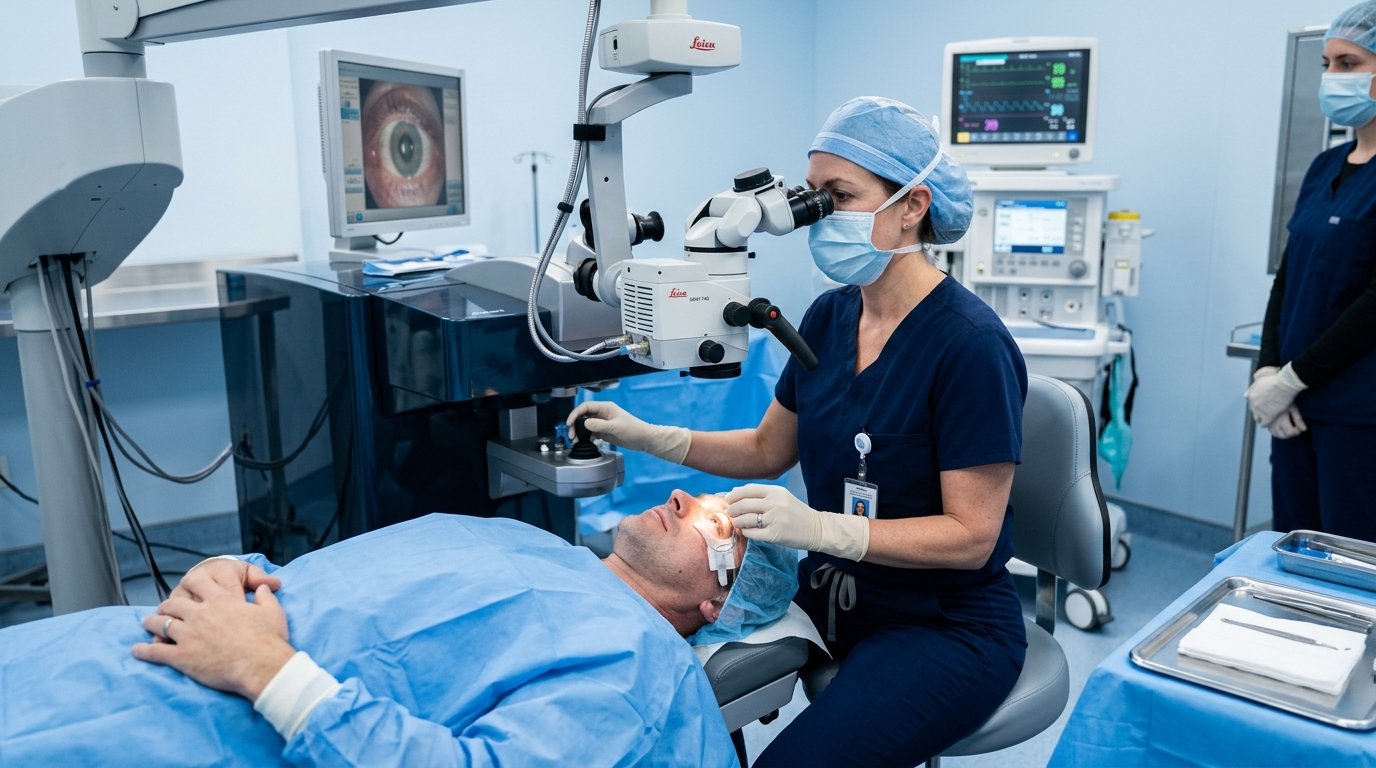
Laser eye surgery has changed the way patients correct their vision. Doctors now use advanced laser technology to treat refractive errors and corneal conditions. However, billing for these procedures requires precision. Selecting the correct laser eye surgery CPT code directly affects reimbursement. It also protects your practice during audits.
Many practices struggle with coding accuracy. They often confuse elective procedures with medically necessary ones. This confusion leads to denied claims. Furthermore, incorrect code selection can trigger compliance issues. Therefore, understanding the right CPT code for laser eye surgery is essential.
This guide breaks down every code, requirement, and billing step. It also explains documentation standards and payer expectations. By the end, your team will code these procedures with confidence. Let’s start with the basics of laser eye surgery itself.
What Is Laser Eye Surgery?
Definition of Laser Eye Surgery
Laser eye surgery refers to procedures that reshape the cornea. Surgeons use focused light energy to correct vision. This process falls under refractive surgery. It aims to reduce dependence on glasses or contacts. Consequently, patients often see improved vision within days.
Common Types of Laser Eye Procedures
Several procedures fall under this category. Each one serves a different clinical purpose.
- LASIK reshapes the cornea using a thin flap.
- PRK removes the outer corneal layer before reshaping.
- LASEK combines elements of LASIK and PRK.
- SMILE uses a small incision technique.
- PTK treats corneal surface disease.
- Laser-assisted cataract surgery uses lasers during cataract removal.
Each procedure requires its own coding approach. As a result, billing staff must identify the exact technique used.
Why Procedure Identification Matters for CPT Coding
Different surgeries use different billing codes. Therefore, accurate identification prevents claim denials. Additionally, documentation must clearly state the procedure type. Without this clarity, payers may reject the claim. Proper identification also supports audit protection later.
Understanding CPT Codes for Laser Eye Surgery
What Are CPT Codes?
The American Medical Association created CPT codes. These codes describe medical, surgical, and diagnostic services. Providers use them to communicate with insurance companies. Every procedure has a specific numeric identifier. This system standardizes billing across the healthcare industry.
Why Accurate Coding Is Critical
Accurate coding affects every stage of the billing cycle. First, it determines whether insurance approves the claim. Second, it impacts how much the practice gets reimbursed. Third, it ensures compliance with federal regulations. Finally, correct coding protects the practice during audits.
CPT Codes vs ICD-10 Diagnosis Codes
CPT codes describe the procedure performed. ICD-10 codes describe the diagnosis behind that procedure. Both codes work together during claim submission. Payers review this combination before approving payment. Mismatched codes often result in automatic denials.
Laser Eye Surgery CPT Code: Common CPT Codes Used
There is no single universal laser eye surgery CPT code. The correct code depends on the specific procedure performed. This section covers the most commonly used codes.
CPT Code 65760
This code applies to keratomileusis procedures. Surgeons use it when reshaping corneal tissue. Documentation must specify the surgical technique used. Insufficient notes often lead to claim rejection. Providers should always confirm medical necessity first.
CPT Code 65765
Keratophakia procedures use this specific code. It applies less frequently than other refractive codes. Providers use it in select corneal reshaping cases. Proper documentation remains essential for approval. This code rarely applies to standard LASIK cases.
CPT Code 66999
This code covers unlisted anterior segment procedures. Providers use it when no specific code exists. Insurance companies often request additional documentation here. Clear operative notes support the claim’s validity. This code requires careful justification from the surgeon.
CPT Code 0402T
This Category III code applies to corneal cross-linking. It treats progressive corneal conditions like keratoconus. Category III codes track emerging technologies. Reimbursement for these codes varies by payer. Practices should verify coverage before scheduling this procedure.
Other Ophthalmology CPT Codes That May Apply
Additional codes often support the primary procedure code. These include diagnostic testing codes. They also include follow-up visit codes. Surgical support services may need separate codes too. Billing teams must review each claim individually.
CPT Code for Laser Eye Surgery Based on Procedure Type
LASIK CPT Code Considerations
LASIK is typically an elective procedure. Consequently, most insurance plans classify it as cosmetic. Patients often pay out of pocket for LASIK. Billing teams should clarify this with patients early. Cash-pay policies should be communicated before surgery.
PRK CPT Coding
PRK coding can differ based on medical necessity. Some cases involve therapeutic indications, not cosmetic ones. Documentation should clearly state the reason for surgery. This distinction affects whether insurance provides coverage. Accurate notes prevent unnecessary claim disputes.
PTK Billing and Coding
PTK often qualifies as a medically necessary procedure. Payers usually require specific diagnosis codes for approval. Corneal scarring and recurrent erosion often justify coverage. Billing staff must link the diagnosis directly to the procedure. This connection strengthens the overall claim.
Laser Cataract Surgery Coding
Standard cataract surgery uses traditional CPT codes. However, femtosecond laser use may require additional documentation. Some payers do not reimburse the laser portion separately. Practices should verify payer-specific policies beforehand. This step helps avoid unexpected reimbursement gaps.
Is Laser Eye Surgery Covered by Insurance?
When Insurance May Cover Laser Procedures
Insurance typically covers medically necessary procedures. Therapeutic treatments differ from elective vision correction. For example, PTK for corneal disease often qualifies. Meanwhile, elective LASIK rarely receives coverage. Payers evaluate each case individually.
Why LASIK Is Usually Not Covered
LASIK is considered a cosmetic, elective procedure. Most insurance plans exclude cosmetic treatments entirely. Therefore, patients become financially responsible for the cost. Practices should discuss pricing transparently before surgery. Clear communication builds patient trust and reduces confusion.
Medicare Coverage Rules
Medicare rarely covers elective refractive surgery. However, it may cover medically necessary corneal procedures. Documentation requirements remain strict under Medicare guidelines. Providers must justify medical necessity clearly. Missing documentation often leads to automatic denial.
Documentation Requirements for Laser Eye Surgery Billing
Essential Clinical Documentation
Physician notes must support the procedure performed. The diagnosis should align with the CPT code used. Medical necessity must be clearly documented throughout. Additionally, the operative report should detail every surgical step. This documentation forms the foundation of the claim.
Required Supporting Records
Imaging results often support the surgical decision. Vision testing results provide additional clinical evidence. Signed consent forms confirm patient understanding. These records should accompany the primary claim submission. Complete records reduce the risk of denial.
Documentation Errors That Cause Claim Denials
Missing diagnosis codes frequently cause claim rejections. Incomplete operative notes create additional review delays. Incorrect modifiers also trigger automatic denials. Billing staff should double-check every claim before submission. This review process saves time and revenue.
ICD-10 Codes Frequently Used with Laser Eye Surgery
Common Refractive Disorder Diagnosis Codes
Myopia and hyperopia both use specific ICD-10 codes. Astigmatism also requires its own diagnosis code. Presbyopia coding applies to age-related vision changes. These codes support elective refractive procedure claims. Accurate selection ensures proper claim processing.
Corneal Disease Diagnosis Codes
Corneal scars require distinct diagnostic coding. Keratoconus uses a separate, specific ICD-10 code. Corneal dystrophy also has its own designation. These codes often support medically necessary procedures. They frequently pair with PTK or cross-linking claims.
Linking ICD-10 Codes with CPT Codes
ICD-10 codes must align logically with CPT codes. This alignment establishes medical necessity for the payer. Claims without this connection often face denial. Billing teams should verify this link before submission. Consistent alignment improves overall approval rates.
Medical Billing Process for Laser Eye Surgery
Patient Eligibility Verification
Staff should verify insurance eligibility before scheduling surgery. This step confirms active coverage and plan details. It also identifies any prior authorization requirements early.
Prior Authorization Requirements
Some procedures require authorization before the surgery date. Practices should submit these requests well in advance. Delayed authorization can postpone the patient’s procedure.
CPT and ICD-10 Code Assignment
Coders assign the appropriate CPT and ICD-10 codes together. This step happens after reviewing all clinical documentation. Accuracy here determines the claim’s overall success.
Claim Submission
Practices submit claims electronically to the payer. Clean claims move through the system faster. Errors at this stage often cause processing delays.
Payment Posting
Once approved, payments get posted to the patient account. Staff should reconcile payments against the original claim. This step ensures financial records stay accurate.
Appeals and Denial Management
Denied claims require prompt appeal action. Staff should review the denial reason carefully first. A strong appeal often reverses the original decision.
Common Billing Challenges for Laser Eye Surgery
Elective Procedure Billing Issues
Elective procedures create confusion around patient payment responsibility. Practices must clarify costs before the surgery date. Clear pricing policies prevent billing disputes later.
Incorrect CPT Code Selection
Choosing the wrong code remains a common error. This mistake often results in claim denial. Regular coder training helps reduce this risk.
Missing Documentation
Incomplete records slow down the entire billing process. Payers frequently request additional information for review. This delay affects overall practice cash flow.
Insurance Coverage Confusion
Patients often misunderstand what their insurance covers. Staff should explain coverage details clearly upfront. This transparency reduces frustration and billing complaints.
Coding Updates and Compliance Risks
CPT codes change periodically throughout the year. Practices must stay current with these updates. Outdated codes create compliance risks and claim denials.
Tips to Improve Laser Eye Surgery Billing Accuracy
Stay Updated with Annual CPT Changes
The AMA updates CPT codes every year. Practices should review these changes annually. This habit keeps billing teams fully compliant.
Perform Internal Coding Audits
Regular audits catch errors before submission. They also identify patterns in recurring mistakes. This process strengthens overall billing accuracy.
Train Billing and Coding Staff
Ongoing training keeps staff knowledge current. Well-trained teams make fewer coding errors. This investment improves long-term reimbursement rates.
Verify Medical Necessity Before Submission
Confirming medical necessity prevents unnecessary denials. This step should happen before every claim submission. It saves time during the appeals process later.
Use Specialty Medical Billing Services
Specialty billing services understand ophthalmology-specific requirements. They stay current with every laser eye surgery CPT code update. This expertise reduces denial rates significantly.
How Right On Time Billing Services Helps Ophthalmology Practices
Accurate CPT Coding
Right On Time Billing Services assigns precise codes for every procedure. Their team understands the nuances of ophthalmology billing. This accuracy reduces claim denials significantly.
Insurance Verification
The team verifies patient eligibility before every scheduled surgery. This step prevents unexpected coverage issues later. It also improves the patient’s overall experience.
Claim Submission and Follow-Up
Claims get submitted quickly and accurately. The team follows up consistently on pending claims. This proactive approach speeds up reimbursement timelines.
Denial Management
When denials occur, the team responds immediately. They identify the root cause behind each denial. Strong appeals often recover lost revenue quickly.
Revenue Cycle Optimization
The team monitors the entire revenue cycle closely. They identify bottlenecks that slow down payments. This oversight improves overall practice profitability.
HIPAA-Compliant Billing Solutions
Every process follows strict HIPAA compliance standards. Patient data remains protected throughout the billing cycle. This commitment builds trust with every practice partner.
Conclusion
Selecting the correct laser eye surgery CPT code protects your practice’s revenue. It also ensures compliance with payer requirements. Every procedure type requires its own specific billing approach.
Key Takeaways
Choosing the appropriate CPT code depends on the procedure performed. Accurate documentation and proper ICD-10 linkage reduce claim denials. Payer-specific requirements should guide every billing decision your team makes.
Partnering with experienced billing professionals improves reimbursement outcomes significantly. It also helps practices maintain long-term compliance standards. Right On Time Billing Services offers this specialized ophthalmology expertise.
Accurate coding starts with knowledge and consistency. Every claim deserves careful attention to detail. This approach ultimately protects both your practice and your patients.