
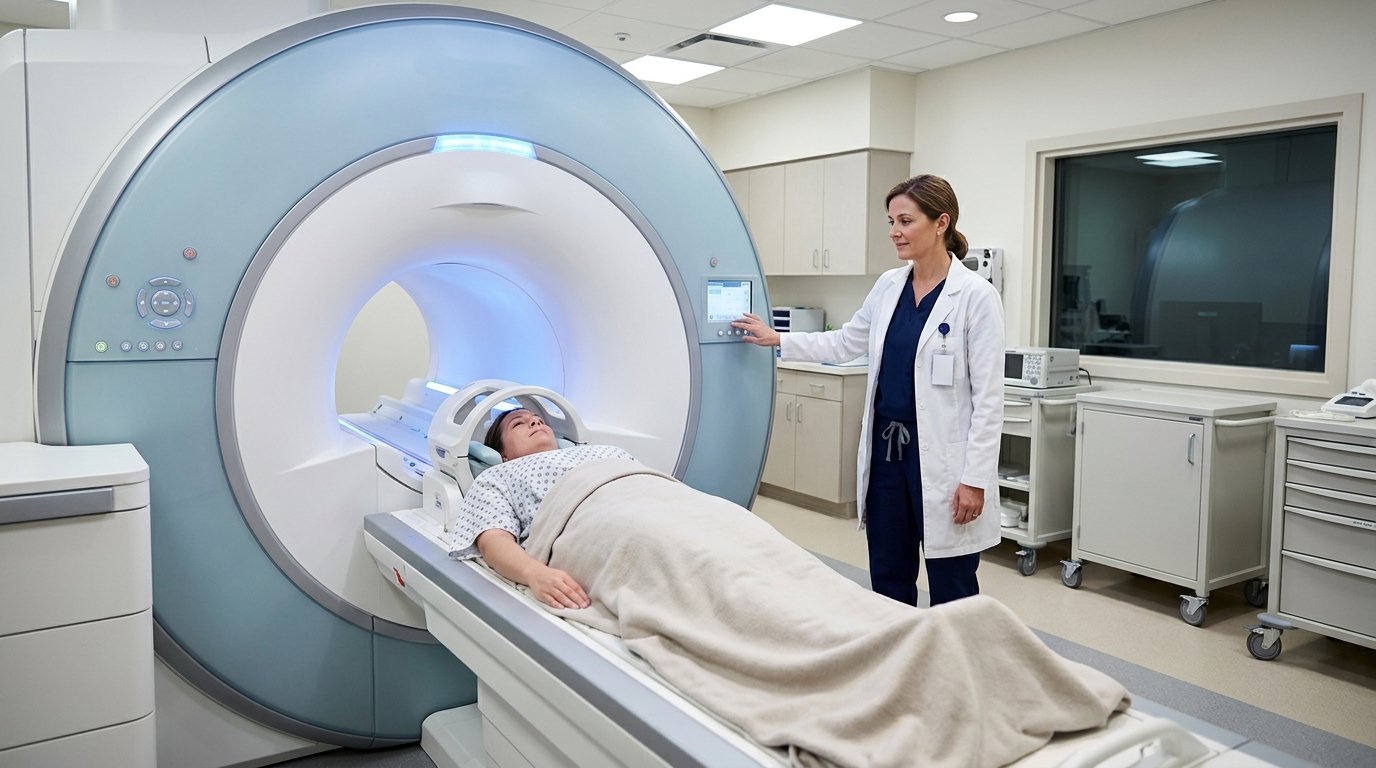
Whole-body magnetic resonance imaging (MRI) helps healthcare providers examine multiple anatomical regions during a single imaging session. This advanced imaging technique supports the diagnosis and monitoring of selected medical conditions. Additionally, physicians may recommend whole-body MRI for cancer surveillance, bone marrow disorders, and complex clinical evaluations.
Understanding the mri whole body cpt code is essential for accurate medical billing and reimbursement. Unlike conventional regional MRI examinations, whole-body imaging does not have a dedicated CPT code. Therefore, medical coders must carefully review procedure documentation, clinical indications, and applicable insurance policies before submitting claims.
The mri whole body cpt code commonly reported is CPT 76498, which describes an unlisted magnetic resonance procedure. However, coding requirements may vary depending on the imaging protocol and payer guidelines. This guide explains relevant CPT codes, documentation requirements, insurance coverage, and reimbursement considerations.
What Is the MRI Whole Body CPT Code?
The mri whole body cpt code commonly used for billing is CPT 76498. This code represents an unlisted magnetic resonance procedure without a dedicated CPT classification. Healthcare providers may report this code when the performed examination meets applicable coding requirements. Nevertheless, coders must verify current CPT instructions and individual payer policies before claim submission.
Whole-body MRI differs from conventional imaging because it covers multiple anatomical regions through a comprehensive examination. Therefore, billing professionals must distinguish these procedures from separately performed regional MRI scans. Incorrect classification can result in claim rejections, reimbursement delays, or unnecessary documentation requests. Additionally, some insurers establish specific reporting requirements for extensive imaging examinations.
CPT Code 76498 Description and Billing Purpose
CPT 76498 describes an unlisted magnetic resonance procedure when existing CPT codes cannot accurately represent the examination. Conversely, CPT 77084 specifically identifies magnetic resonance imaging of bone marrow. Understanding these differences helps medical coders select appropriate codes based on documented procedures. The following table highlights important distinctions between these coding options.
| CPT Code | Description | Billing Application |
| 76498 | Unlisted magnetic resonance procedure | Whole-body MRI when appropriate |
| 77084 | MRI of bone marrow | Dedicated bone marrow examination |
Since CPT 76498 describes an unlisted procedure, insurers may request additional information during claim processing. Supporting records generally include the imaging protocol, physician’s order, and radiologist’s interpretation. Furthermore, some payers may request comparable procedure information to determine an appropriate reimbursement amount. Coders should consult the American College of Radiology for radiology coding resources.
When Is Whole-Body MRI Medically Necessary?
Medical necessity plays an important role when reporting the mri whole body cpt code. Physicians may recommend whole-body imaging when extensive anatomical evaluation provides clinically meaningful information. However, medical necessity depends on the patient’s diagnosis, clinical history, and applicable coverage requirements. Therefore, healthcare providers must document the reasons supporting each requested examination.
Whole-body MRI can assist specialists in evaluating selected conditions affecting multiple anatomical regions. For example, physicians may use this examination to assess certain cancer predisposition syndromes. Additionally, specialized imaging protocols can support the evaluation of bone marrow diseases and inflammatory disorders. Nevertheless, insurers may consider routine screening without recognized clinical indications medically unnecessary.
Common Clinical Applications of Whole-Body MRI
Whole-body MRI may support several clinical applications, depending on the patient’s condition and physician recommendations. These examinations require appropriate medical documentation and established clinical justification. Additionally, healthcare providers should consider relevant clinical guidelines before requesting extensive imaging. Common applications include:
- Hereditary cancer syndromes: Surveillance for selected patients with elevated cancer risks.
- Multiple myeloma: Evaluation of bone marrow involvement and disease extent.
- Inflammatory bone disorders: Assessment of multifocal inflammatory bone lesions.
- Complex medical conditions: Investigation of selected diseases affecting multiple body regions.
- Specialist-directed monitoring: Surveillance when established clinical guidelines support extensive imaging.
Whole-Body MRI vs. Regional MRI CPT Codes
Understanding regional imaging codes helps prevent incorrect reporting of the mri whole body cpt code. Regional MRI procedures generally use dedicated codes based on anatomical location and contrast administration. In contrast, whole-body MRI follows a comprehensive imaging protocol covering extensive anatomical regions. Therefore, billing teams must identify whether the examination represents one comprehensive procedure or separately performed studies.
The following table compares common regional MRI codes with whole-body imaging. These examples describe examinations performed without contrast unless otherwise specified. However, the appropriate code always depends on the actual procedure and supporting documentation. Healthcare providers should avoid selecting codes solely because particular body regions appear within the images.
| MRI Examination | CPT Code | Coding Consideration |
| Whole-body MRI | 76498 | Unlisted procedure when appropriate |
| Brain MRI without contrast | 70551 | Dedicated brain examination |
| Chest MRI without contrast | 71550 | Dedicated chest examination |
| Abdominal MRI without contrast | 74181 | Dedicated abdominal examination |
| Pelvic MRI without contrast | 72195 | Dedicated pelvic examination |
| Bone marrow MRI | 77084 | Bone marrow-specific imaging |
Can Multiple Regional MRI CPT Codes Be Billed Together?
Multiple regional MRI codes may apply when physicians order and perform distinct, separately reportable examinations. However, a single comprehensive whole-body protocol does not automatically justify billing several regional codes. Medical coders must evaluate the examination’s purpose, imaging sequences, and documented anatomical coverage. Furthermore, they should verify whether applicable coding instructions permit separate reporting.
For additional information about regional examinations, review this MRI brain CPT coding guide. It explains coding considerations for dedicated brain imaging with different contrast protocols. Understanding these distinctions helps billing professionals recognize when separate anatomical codes may be appropriate.
Documentation Requirements for Whole-Body MRI Billing
Accurate documentation supports proper reporting of the mri whole body cpt code and demonstrates medical necessity. Since CPT 76498 represents an unlisted procedure, insurers may require additional supporting information. Incomplete records can create uncertainty about the examination performed and delay reimbursement decisions. Therefore, healthcare providers should maintain detailed documentation throughout the imaging and billing process.
Essential Documentation for CPT 76498
Healthcare providers should collect comprehensive records before submitting claims involving unlisted magnetic resonance procedures. These records help insurers understand the examination’s clinical purpose and technical characteristics. Additionally, complete documentation supports coding accuracy and reduces unnecessary requests for information. Essential documentation includes:
- Physician’s order specifying the requested MRI examination.
- Relevant patient history and documented medical diagnoses.
- Clinical justification supporting medical necessity.
- Anatomical regions included in the examination.
- Detailed imaging protocol and MRI sequences.
- Contrast administration details, when applicable.
- Radiologist’s findings and signed interpretation.
- Additional documentation requested by the insurer.
Why Documentation Matters for Unlisted MRI Procedures
Unlisted procedure codes provide less information than established procedure-specific CPT codes. Consequently, insurers may request supporting records to evaluate the examination’s complexity and clinical purpose. Detailed documentation helps reviewers determine whether the reported procedure meets coverage requirements. Moreover, accurate records support claim appeals when insurers request clarification or deny reimbursement.
Insurance Coverage and Reimbursement for Whole-Body MRI
Insurance coverage for the mri whole body cpt code varies across Medicare, Medicaid, and commercial insurance plans. Most insurers evaluate medical necessity, benefit limitations, and applicable imaging policies before approving reimbursement. Additionally, some plans require prior authorization for advanced diagnostic imaging services. Therefore, healthcare providers should verify coverage conditions before scheduling or performing these examinations.
Coverage for diagnostic whole-body MRI differs from coverage for elective screening examinations. Insurers may approve clinically indicated imaging while excluding preventive scans without recognized medical justification. Furthermore, reporting a valid CPT code does not guarantee payment or establish medical necessity. Each claim must satisfy the applicable insurer’s coverage and documentation requirements.
Does Medicare Cover Whole-Body MRI?
Medicare covers qualifying diagnostic MRI services when they satisfy applicable medical necessity and coverage requirements. However, routine preventive whole-body MRI screening does not automatically qualify for Medicare reimbursement. Coverage decisions depend on the patient’s condition, documented clinical indications, and relevant policies. Additionally, Medicare Administrative Contractors may provide guidance affecting claim evaluation.
Healthcare providers should review the CMS National Coverage Determination for MRI for relevant Medicare requirements. This official resource explains national coverage considerations for magnetic resonance imaging. Nevertheless, it does not guarantee coverage for every whole-body examination. Billing professionals should also verify applicable local guidance and medical necessity requirements.
Commercial Insurance Coverage for CPT 76498
Commercial insurers maintain individual policies governing advanced diagnostic imaging and unlisted procedures. Consequently, billing professionals must verify each patient’s benefits and applicable authorization requirements. Some insurers may request additional clinical documentation before approving a whole-body MRI claim. Coverage limitations also may apply to elective screening and examinations lacking documented medical necessity.
Important insurance verification considerations include:
- Medical necessity requirements and supported diagnoses.
- Prior authorization requirements for advanced imaging.
- Coverage exclusions involving elective whole-body screening.
- Documentation requirements for unlisted procedures.
- Payer-specific reimbursement and claim review policies.
How to Bill CPT Code 76498 Correctly
Accurate reporting of the mri whole body cpt code requires careful examination of clinical and billing records. Medical coders should confirm that the selected code accurately represents the performed procedure. Additionally, billing teams must verify diagnosis coding, payer policies, and authorization requirements. These checks help reduce avoidable claim errors and reimbursement delays.
Recommended billing practices include:
- Review the physician’s order and radiologist’s report.
- Confirm the anatomical coverage and imaging protocol.
- Verify current CPT instructions and payer-specific guidelines.
- Assign supported ICD-10-CM diagnosis codes.
- Check insurance eligibility and authorization requirements.
- Attach supporting documentation when required.
- Monitor claim status and respond to documentation requests.
Furthermore, professional and technical components may require separate reporting under certain billing arrangements. Applicable modifiers depend on the service provided and the insurer’s instructions. Medical coders should verify component billing requirements before submitting radiology claims. For additional guidance, review this radiology billing guide.
Common Billing Errors With the MRI Whole Body CPT Code
Incorrect reporting of the mri whole body cpt code can contribute to denials and reimbursement delays. These errors commonly involve code selection, insufficient documentation, or overlooked insurance requirements. Furthermore, misunderstanding the difference between comprehensive imaging and regional examinations may cause inappropriate billing. Healthcare organizations should regularly review imaging claims to identify recurring coding issues.
Common errors include:
- Using CPT 77084 for unrelated whole-body MRI examinations.
- Reporting multiple regional codes without appropriate support.
- Submitting unlisted procedure claims with incomplete documentation.
- Selecting unsupported ICD-10-CM diagnosis codes.
- Assuming routine screening automatically qualifies for reimbursement.
- Overlooking payer-specific prior authorization requirements.
How to Reduce Whole-Body MRI Claim Denials
Healthcare providers can reduce avoidable denials through accurate coding and complete clinical documentation. Additionally, verifying authorization requirements before imaging can prevent unnecessary claim complications. Billing teams should also examine denial explanations and respond promptly to requests for information. Regular claim reviews help identify recurring problems and improve submission accuracy.
For further information, review this medical denial management guide. It discusses claim review, denial resolution, and strategies for improving reimbursement workflows. Applying consistent billing practices can also strengthen documentation quality and reduce repeated processing errors.
Whole-Body MRI CPT Code Reimbursement Considerations
Reimbursement for the mri whole body cpt code depends on documentation, payer policies, and medical necessity. Since CPT 76498 describes an unlisted procedure, payment may require individualized claim review. Unlike established procedure codes, unlisted services may lack predetermined reimbursement amounts. Consequently, insurers may evaluate clinical records and comparable services before determining payment.
Healthcare providers should distinguish submitted charges from approved reimbursement amounts. Additionally, contractual agreements and patient benefits may influence the final payment decision. Proper documentation helps insurers understand the procedure and evaluate appropriate reimbursement. However, accurate coding alone cannot guarantee claim approval or a specific payment amount.
Factors Affecting Payment for CPT 76498
Several factors may influence the reimbursement outcome for a whole-body MRI claim. Understanding these considerations helps billing professionals prepare complete claims and anticipate payer documentation requests. Furthermore, reviewing contractual requirements can clarify how insurers evaluate unlisted procedures. Important factors include:
- Patient eligibility and insurance benefits.
- Documented medical necessity and clinical indications.
- Payer contracts and reimbursement policies.
- Imaging complexity and supporting clinical records.
- Prior authorization and claim submission requirements.
Conclusion
Understanding the mri whole body cpt code helps healthcare providers report imaging procedures accurately and avoid coding errors. CPT 76498 commonly represents whole-body MRI when an unlisted magnetic resonance procedure is appropriate. However, billing professionals must consider the actual examination, current coding guidance, and payer requirements.
Accurate documentation, supported diagnoses, and verified insurance coverage contribute to successful claim processing. Additionally, distinguishing whole-body MRI from regional and bone marrow examinations helps prevent inappropriate code selection. Following current coding standards and payer policies supports consistent billing practices and appropriate reimbursement.
Frequently Asked Questions (FAQs)
Get clear and concise answers about the MRI whole body CPT code 76498, including coding guidelines, documentation requirements, Medicare coverage, insurance reimbursement, and common billing errors.
CPT 76498 commonly applies to whole-body MRI when an unlisted magnetic resonance procedure accurately represents the examination. However, coding requirements depend on the actual imaging protocol and applicable payer instructions. Therefore, medical coders should verify current guidance before submitting claims.
Yes, CPT 76498 may describe a full-body MRI examination under applicable coding guidance. Since it represents an unlisted procedure, insurers may request supporting clinical documentation. Additionally, medical coders should confirm that no more appropriate reporting instructions apply.
CPT 77084 specifically describes magnetic resonance imaging of bone marrow. Therefore, it should not automatically replace the appropriate code for general whole-body imaging. The physician’s order and imaging protocol determine whether bone marrow-specific coding is appropriate.
Medicare may cover qualifying diagnostic MRI services that meet applicable coverage requirements. However, routine whole-body screening without recognized medical necessity may not qualify for reimbursement. Providers should verify the relevant Medicare policies before assuming coverage.
Prior authorization requirements depend on the patient’s insurance plan and imaging service. Some commercial insurers require approval before performing advanced diagnostic MRI examinations. Therefore, healthcare providers should verify authorization requirements before scheduling the examination.
Multiple codes may apply when distinct, separately reportable regional MRI examinations are performed. However, a single comprehensive whole-body protocol does not automatically support separate regional billing. Medical coders must review current reporting instructions and supporting clinical documentation.